
What time of year has the best weather in Banff?
July and August deliver the warmest and most stable weather in Banff. Daytime highs typically sit between 20°C and 23°C (68°F and 73°F), with long sunny stretches that are ideal for being outdoors. Evenings cool down quickly, often dropping to around 5°C to 8°C (41°F to 46°F), so pack a fleece or light jacket no matter how warm the afternoon feels.
Winter, from December through February, is a completely different world. Daytime temperatures hover between -5°C and -15°C (5°F and 23°F), and overnight lows can sink below -20°C (-4°F). The cold is dry and crisp rather than damp, which makes it more comfortable for skiing and snowshoeing than the numbers suggest, but you still need serious layers and insulated boots.
The shoulder months of May, June, September, and October are less predictable. You can get a string of sunny 18°C (64°F) days or a wet snowstorm that closes high-elevation trails. June often brings the most rain, while late September can swing from T-shirt weather to a dusting of snow within 48 hours. If you visit in these months, pack for three seasons and check the forecast daily before heading into the backcountry.
When can I avoid the biggest crowds?
July and August draw the heaviest crowds to Banff; town sidewalks, popular viewpoints, and the shores of Lake Louise and Moraine Lake stay packed all day. If you want breathing room, visit in the quieter weeks right before or after this peak. September is a strong choice: families have gone home, yet the trails and roads remain open and the weather is often still settled enough for long hikes.
Even inside the busy summer window you can find pockets of calm. Lakeside parking lots fill by sunrise, so a pre-dawn start or a late-afternoon visit after the tour buses leave makes a real difference. Weekdays are noticeably quieter than weekends, and trails that require more effort, such as the Plain of Six Glaciers rather than the lakeshore boardwalk, filter out most of the crowd.
The quietest stretches of the year are:
- Late April through early June, when snow still blocks high trails but the valley is open, lodging is cheaper, and you can watch the landscape turn green with few other visitors around.
- October through mid-November, after the larch frenzy ends and before the ski resorts open, when the town feels genuinely sleepy and you often have forest trails to yourself.
- Early December and mid-January, the lulls between holiday rushes, when skiers are scarce and restaurants and hot springs feel uncrowded.
- Weekdays in February and March, when ski slopes stay busy only on weekends and the shoulder days give you short lift lines and empty cross-country tracks.
- Early morning hours year-round: arriving at any landmark before 8:00 a.m. lets you experience it in near solitude, even in August.
What is the best month for hiking and seeing the lakes?
July and August are the prime months for hiking and seeing the lakes at their most spectacular. By early July, most high-elevation trails are clear of snow, and the lakes have thawed to reveal the intense turquoise color that makes them famous. You get long daylight hours, with the sun setting after 9:30 p.m., which gives you plenty of time for full-day treks.
Mid-July through mid-August offers the most reliable conditions. Lake Louise and Moraine Lake typically lose their ice cover by the first week of June, but the water appears milky and pale until the glacial flour settles, usually by late June. For the vivid turquoise you see in photographs, plan for July or the first half of August. Trail conditions are best in this window, with dry paths and wildflowers peaking in alpine meadows like Sunshine Meadows and Healy Pass.
September is a strong alternative if you prefer cooler temperatures and quieter trails. The lakes remain thawed and brilliantly colored through mid-October, and the first two weeks of September often bring stable weather with fewer afternoon thunderstorms. The trade-off is shorter days and the chance of an early snowfall at higher elevations, so check the Parks Canada trail report before setting out on any route above the treeline.
When is the ski season and when is the snow best?
The ski season at Banff’s Big 3 resorts (Banff Sunshine, Lake Louise Ski Resort, and Mt. Norquay) typically runs from early November to late May. This long season is possible because of the high elevation and cold temperatures in the Canadian Rockies. The most reliable snow conditions usually fall between mid-December and early April, when the base is deepest and storms are most frequent.
For the best powder, plan your trip for January or February. Cold air from the Arctic keeps the snow dry and light during these months. March brings longer days and slightly warmer temperatures, so you get a good balance of soft snow and comfortable skiing. By April and May, the snow turns heavier in the afternoons, but the sunny spring skies and quieter slopes make it a favorite time for locals who enjoy a relaxed pace.
What is the best month for seeing wildlife?
Spring and fall are the most reliable seasons for wildlife viewing in Banff National Park. In spring, animals come down to the valley floors as the snow melts, searching for the first fresh vegetation. Fall brings the elk rut, a period of intense activity when bulls gather harems and their bugling calls echo through the valleys. Both seasons offer cooler temperatures that keep animals active for longer parts of the day compared to the midday heat of summer.
The specific months matter. Late May and June are excellent for spotting black bears and grizzly bears on sunny slopes and near roadsides. September and October are prime for elk, particularly around the town of Banff and the golf course. Dawn and dusk are always the most active times, so plan your drives or short walks for the first or last two hours of daylight. Always pull completely off the road if you stop and stay inside your vehicle when viewing large animals.
Practical locations and ethical viewing habits make the difference between a brief glimpse and a safe, memorable encounter. Use binoculars or a telephoto lens so you never need to get close. Parks Canada requires a minimum distance of 100 meters from bears and 30 meters from elk and deer. Never feed or approach any animal, and carry bear spray on all trails, knowing how to use it before you set out.
- Drive the Bow Valley Parkway at dawn in spring for roadside bear sightings.
- Visit the Lake Minnewanka loop in early morning during September to hear elk bugling.
- Check open meadows near the Banff townsite at dusk in October for grazing deer and elk.
- Look for bighorn sheep along the Mount Norquay switchbacks in late spring.
- Scan the tree line at Vermilion Lakes any calm evening for moose wading in the shallows.
- Stop at designated pullouts only and keep your engine noise to a minimum.
What Are the Major Events and Festivals Through the Year?
Banff’s event calendar is shaped by the seasons, with winter celebrations and summer gatherings drawing distinct crowds. January brings SnowDays, a festival that transforms downtown streets with ice-carving competitions, a skijoring demonstration on Banff Avenue, and a craft beer garden. The event runs for about two weeks, and the town stays busy with families and ski visitors.
The Banff Mountain Film and Book Festival is the marquee fall event, held from late October into early November. The nine-day program at the Banff Centre includes screenings of adventure and exploration films, live author readings, and seminars with mountaineers and filmmakers. Tickets for evening shows sell out weeks in advance, so book as soon as the program is announced in September.
Summer celebrations center on Canada Day, July 1, with a parade along Banff Avenue in the morning, live music in Central Park, and a fireworks display over the Bow River at dusk. The Banff Marathon and half-marathon take place in June, with the course running through the Bow Valley Parkway and finishing downtown. Throughout July and August the Banff Centre hosts outdoor concerts and the Indigenous Dance and Music Festival, featuring performances from First Nations artists.
- SnowDays (January), A winter street festival with ice-carving competitions, a skijoring demonstration, and live music. The downtown core becomes a pedestrian zone with fire pits and food stalls.
- Banff Marathon (June), A road race that starts in the Village and follows the Bow Valley Parkway. Traffic is restricted on the course until early afternoon, so plan any parkway drives for later in the day.
- Canada Day (July 1), A morning parade, daytime concerts in Central Park, and a fireworks show over the Bow River. Parking fills by late morning and the town closes several streets to vehicles.
- Banff Mountain Film and Book Festival (late October to early November), A nine-day festival at the Banff Centre with film screenings, author talks, and mountaineering seminars. Evening film tickets usually sell out before the festival begins.
- Indigenous Dance and Music Festival (July and August), Weekly outdoor performances by First Nations dancers and musicians at the Banff Centre. The shows are included with general admission to the centre grounds.
How do I choose between summer and winter for a family trip?
The choice depends on the kind of vacation your family enjoys most. A summer trip from mid-June through early September means long, warm days and easy access to iconic turquoise lakes, short hikes, and canoe rentals. Most of the park's famous sights, like the Lake Louise shoreline and the Bow Valley Parkway viewpoints, are fully open and require no special gear beyond comfortable walking shoes. The main drawback is sharing those spots with large crowds and needing to book lodging and rental cars many months ahead.
A winter visit between December and March flips the experience completely. The landscape turns into a quiet, snow-covered valley with far fewer visitors. Family activities center on gentle ski slopes at Mt. Norquay and Sunshine Village, tubing parks, ice skating on Lake Louise, and horse-drawn sleigh rides. You will need to pack serious cold-weather layers, rent or bring snow gear, and plan your driving around winter road conditions. Some high-elevation trails and the road to Moraine Lake are closed from mid-October through late May, so the range of accessible sights shrinks considerably.
Families with young children often find winter more manageable because you can stay in the town of Banff and fill three or four days with activities within a 15-minute drive. Summer requires more time in the car moving between scattered trailheads and lake parking lots, which can test a child's patience. Pick summer if your family wants to see the classic turquoise water and green alpine meadows. Winter is a strong choice if you prefer a cozy, snow-focused trip with fewer logistical headaches around parking and shuttles.
Frequently asked questions
Is Banff worth visiting in the rain?
Yes. A rainy day in Banff still offers plenty to do. Many trails stay walkable with good rain gear, and the hot springs, museums, and cozy mountain town cafes are perfect alternatives. Clouds often break quickly in the mountains, so a wet morning can turn into a clear afternoon.
When do the lakes thaw and turn that bright turquoise?
Lake Louise and Moraine Lake typically thaw by late May or early June. The most vivid turquoise color appears from mid-June through August. The color comes from glacial silt suspended in the water, and it fades as the silt settles in late summer and fall.
Can I see the Northern Lights from Banff?
You can see the aurora borealis from Banff, but sightings are not guaranteed. Your best chance is during the long, dark nights from October through March, especially when solar activity is high. Getting away from town lights, such as at Lake Minnewanka or along the Icefields Parkway, improves your odds.
Do I need to book hotels far in advance for summer?
Yes, summer accommodations in Banff and Lake Louise fill up quickly, often months ahead for July and August. Booking six months ahead is common for the best choice and rates. If you plan a last-minute trip, check for cancellations or consider staying in nearby Canmore.
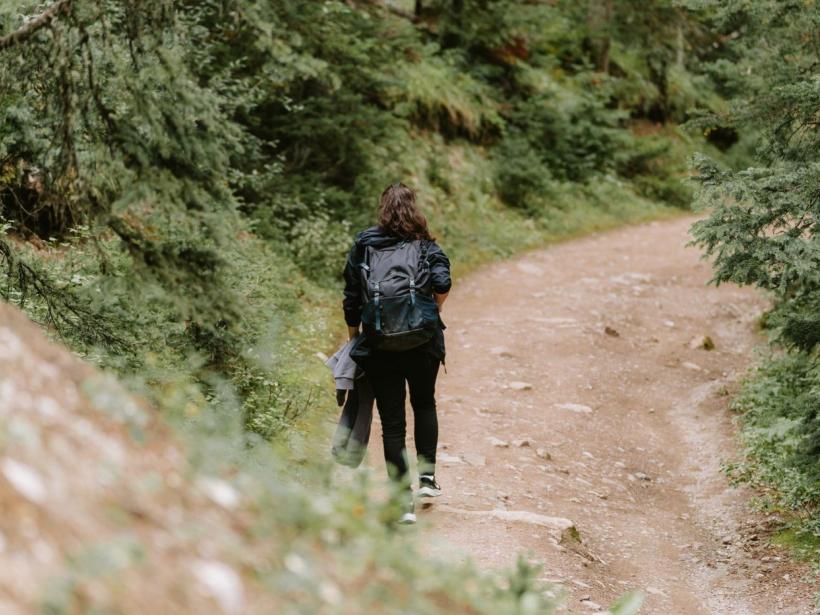
Photo: Line Knipst, Pexels (Pexels License)