
What do official travel advisories say about Japan in 2026?
Japan holds the lowest advisory level from all three major English-language sources. The US State Department places the country at Level 1 (Exercise Normal Precautions) as of its latest update in early 2026. The UK Foreign Office and Australian Smartraveller both advise travellers to take normal safety precautions, with no regions marked as off-limits for tourism.
All three advisories flag natural hazards rather than crime as the main concern. Seismic activity, tsunami risk and the typhoon season from June to October are noted as the primary reasons to stay alert. The advisories recommend registering with your embassy on arrival and downloading an early-warning app for earthquakes. They mention petty theft only as a routine precaution for crowded tourist spots, and no advisory warns against solo or female travel in any part of the country.
How safe are Tokyo, Osaka and other major cities?
Street crime rates in Japanese cities are among the lowest in the world. The UK Foreign Office notes that most visits are trouble-free, and the US State Department places Japan at Level 1, its safest advisory rating. Violent crime against tourists is rare, and you can walk through residential neighbourhoods in Tokyo or Osaka at any hour without the tension you might feel in many European capitals.
Pickpocketing does happen in extremely crowded spots, but far less than visitors expect. Keep your wallet in a front pocket or a zipped bag at Tsukiji Outer Market, Shibuya Crossing and the busiest temple approaches in Kyoto. In nightlife districts like Kabukicho in Shinjuku or Dotonbori in Osaka, the real annoyance is not theft but persistent touts trying to pull you into overpriced bars. A firm "no thank you" and walking on will end the interaction nearly every time.
Common sense still helps. Avoid following strangers to a second location, watch your drink in clubs, and know that the small, hostess-run bars in backstreets often add a steep cover charge. Japanese police are visible and helpful. Koban, the small neighbourhood police boxes, dot every district, and officers routinely help tourists with directions and lost items.
What do solo female travellers need to know?
Japan consistently ranks as one of the safest countries for women travelling alone. Street harassment is far less common than in many Western countries, and violent crime against tourists remains exceptionally rare. The main form of unwanted attention you might encounter is chikan (groping) on crowded trains during peak hours.
Many railway companies operate women-only carriages during morning and evening rush periods on busy urban lines. These carriages are clearly marked with pink signs on the platform and on the train doors, usually in both Japanese and English. They are not compulsory but a practical option that millions of local women use daily. Outside those designated hours the carriages revert to general use.
For accommodation, women-only floors in business hotels and female-only dormitories in hostels are widely available in larger cities. Capsule hotels with separate floors for women are also common. If you arrive late at night, stick to well-lit main roads around stations rather than cutting through unlit side streets, a precaution that applies equally to all visitors. The most useful steps are:
- Board women-only carriages during rush hour if you feel more comfortable, but know that regular carriages are safe at other times.
- Book a hotel near a major station so your walk from the train is short and busy even after 10 pm.
- If someone bothers you on a train, say "yamete kudasai" firmly or move to another carriage; station staff at the next stop will assist if you report it.
- Choose accommodation with a 24-hour front desk rather than an unstaffed apartment when travelling alone.
- Carry the address of your hotel written in Japanese to show a taxi driver if your phone battery dies late at night.
How should I prepare for earthquakes and typhoons?
Japan has one of the world's most advanced early-warning systems. Seconds before strong shaking arrives, your phone will sound a loud alert and TV and radio broadcasts will interrupt with instructions, all triggered by the Japan Meteorological Agency. The system cannot predict quakes, but those few seconds let you move away from windows, turn off a stove, or take cover under a sturdy table.
During a quake, stay indoors if you are already inside. Drop to the floor, cover your head, and hold onto something solid. If you are near the coast and the shaking is long or strong, move to higher ground immediately without waiting for an official tsunami warning. Typhoon season runs from May to October, peaking in August and September. Storms rarely cause injuries, but they routinely disrupt travel: Shinkansen lines suspend service, flights are cancelled, and some rural roads close. Always check the forecast before a day trip and expect delays.
Before your trip, download these official tools to your phone:
- The Japan Meteorological Agency website provides real-time earthquake and tsunami bulletins in English.
- The Safety Tips app, run by the Japan National Tourism Organization, sends push notifications for earthquakes, tsunamis and volcanic activity with clear action instructions.
- NHK World Japan broadcasts emergency news in English on TV and via its mobile app.
- Your hotel's front desk will brief you on the nearest evacuation site; note the route when you check in.
- Japan Visitor Hotline (050-3816-2787) offers 24-hour interpretation and disaster advice in English.
- Register your trip with your country's embassy or consulate so they can reach you during a major event.
What are the most common scams or annoyances?
Japan has very little street crime, but a few commercial tricks catch visitors out, mainly in nightlife areas. The risk is low and the solution is simple: ignore unsolicited invitations and check prices before you order.
The most persistent annoyance is touting in entertainment districts such as Kabukicho in Tokyo or Dotonbori in Osaka. Touts working on commission may try to steer you to a specific bar or club. Some venues that use this practice are known for adding surprise seating charges or inflating the bill after a few drinks. The UK FCDO and US State Department advisories both note this pattern, and the standard advice is to refuse any street invitation and choose a venue yourself.
- Ignore touts who approach you on the street with promises of cheap drinks or a special event, especially after dark.
- Check the menu for a cover charge, known as otoshi, which is a small compulsory appetiser fee common in izakaya and not a scam in itself.
- Do not follow a stranger into a basement bar or a building with no clear signage and prices at the entrance.
- Pay with cash and keep an eye on the bill as it builds up, so you can question any item immediately.
- If you feel pressured, leave the venue calmly and call the Japan Visitor Hotline on 050-3816-2787 for 24-hour multilingual assistance.
- Remember that genuine bars and restaurants do not need to send someone onto the pavement to find customers.
Is public transport safe at night?
Japan’s trains and buses are well-lit, patrolled and heavily used even late into the evening, so travelling after dark is generally safe. The main practical concern is not crime but the timetable: most urban lines stop running between midnight and 1 a.m., and missing the last train means an expensive taxi ride or waiting until the 5 a.m. restart.
Station staff and platform markings clearly show the time of the final departure for each line. If you plan a late dinner or drinks, set a phone alarm 20 minutes before the last train. Licensed taxis are abundant outside major stations, recognisable by their green number plates and automated doors. Ridesharing in the form of private cars is largely unavailable, so a taxi or a nearby 24-hour café are your fallback options.
A few practical habits help. On late-night local lines, sit in the carriage closest to the driver or conductor. Long-distance night buses have locked luggage holds and assigned seats; book a seat near the front if you prefer extra visibility. The US State Department’s advisory for Japan, current as of early 2026, notes low levels of violent crime and makes no specific warning about public transport after dark.
Frequently asked questions
Is Japan safe for a woman travelling alone?
Yes. Japan is widely regarded as one of the safest countries for solo female travellers. Women-only carriages on many trains and a culture that discourages confrontation contribute to a strong sense of security. Standard precautions around nightlife and accommodation still apply, as in any country.
Do I need to worry about pickpocketing?
Pickpocketing is far less common than in many European capitals, but it can happen in very crowded spots like Shinjuku Station or popular markets. Keeping valuables in a zipped interior pocket and staying aware of your surroundings is enough to reduce the risk to near zero.
What should I do if an earthquake happens during my trip?
Your phone will receive a loud early-warning alert seconds before strong shaking begins. Drop, cover and hold on under a sturdy table or doorframe, and stay away from windows. After the shaking stops, follow local instructions and check your embassy's website for guidance. Downloading the Japan official safety app before you travel is a sensible step.
Is it safe to eat street food and drink tap water?
Yes. Japan's tap water is safe to drink nationwide, and food hygiene standards are exceptionally high. Street food at festivals and markets is prepared under strict rules. If you have a sensitive stomach, sticking to bottled water for the first few days is a personal choice, not a medical necessity.
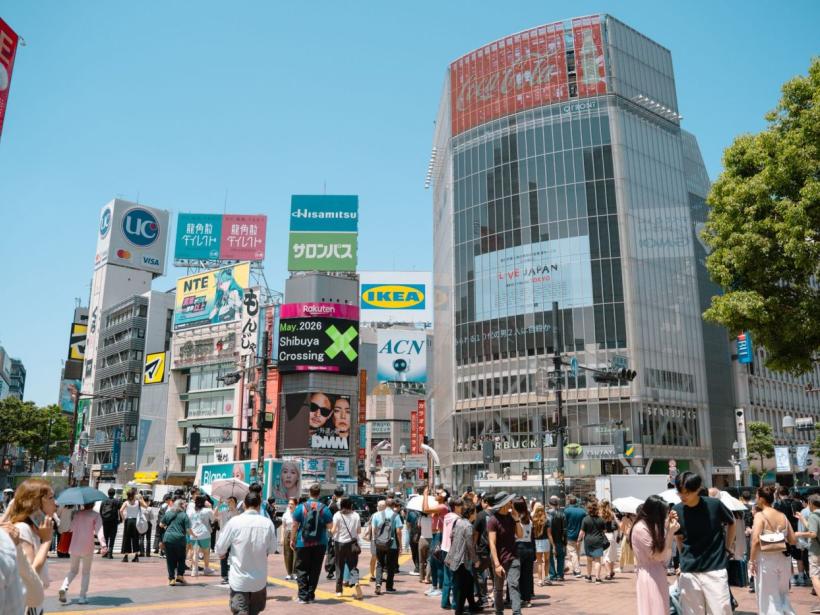
Photo: Iban Lopez Luna, Pexels (Pexels License)