
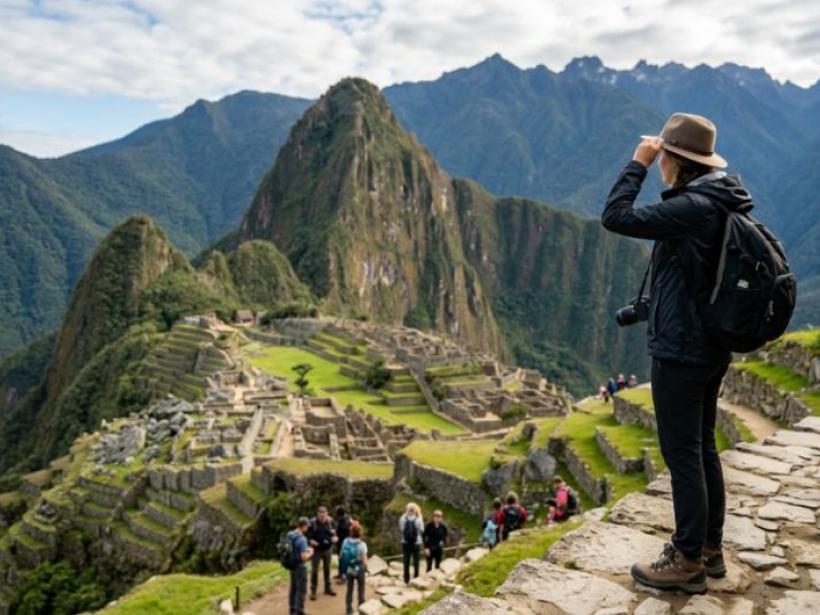

Peru sits at Level 2: Exercise Increased Caution on the U.S. State Department's scale, the same rating given to France and the UK. Reissued May 16, 2025 and still in effect, it reflects real risks from crime, civil unrest, and isolated kidnapping cases. It doesn't mean the country is closed off or unsafe to visit with reasonable precautions.
Is It Safe to Travel to Peru Right Now?
For most of the country, yes, with the precautions a Level 2 rating calls for. Peru's politics have been rough lately. President Dina Boluarte was impeached in October 2025, her successor José Jerí was impeached in February 2026 after sexual assault allegations, and a newly elected president took office on July 28, 2026. Demonstrations tied to this churn have popped up periodically, including in January and June 2026, but the U.S. Embassy has generally described them as small and localized: traffic and extra police presence, not danger to bystanders. None of it has budged Peru's advisory level, which has stayed at Level 2 through all of it.
Two specific areas carry a stricter Do Not Travel rating: the Colombia-Peru border region in Loreto, and the VRAEM area (the Valley of the Apurímac, Ene, and Mantaro Rivers), spanning parts of Ayacucho, Cusco, Huancavelica, and Junín. Both are tied to drug trafficking, and the VRAEM still has remnants of the Shining Path group active in it. Neither one overlaps with where tourists actually go. The State Department spells this out directly: the city of Cusco and the popular sites near it, including the Sacred Valley, the Inca Trail, and Machu Picchu, sit outside the affected VRAEM zone.
Is It Safe in Cusco and Lima?
Yes, in both cities, with the ordinary precautions any big-city trip calls for. Cusco city and the route to Machu Picchu fall outside the VRAEM zone under the Do Not Travel warning. What's left is the same risk profile as most Peruvian cities: petty theft, pickpocketing, and altitude, since Cusco sits above 3,300 meters and altitude sickness catches a lot of visitors arriving straight from sea level.
Lima carries the crime risks typical of a large Latin American capital: armed robbery, pickpocketing, phone theft. The State Department notes that daylight muggings with witnesses nearby aren't even rare. Tourist districts like Miraflores and Barranco tend to be safer than the rest of the city, and booking a car through an app or a hotel instead of hailing one off the street closes off a common robbery method.
What Are the Most Common Risks for Travelers in Peru?
Crime tops the list, followed by altitude and food or water issues, then transportation risk on the roads and rail lines.
|
Risk |
What it looks like |
Where it matters most |
|
Crime |
Pickpocketing, phone theft, armed robbery, occasional scams via dating apps |
Lima, crowded tourist areas, at night |
|
Altitude sickness |
Headache, nausea, fatigue from rapid elevation gain |
Cusco, Arequipa, Puno, Lake Titicaca |
|
Food and water safety |
Tap water isn't safe to drink; uncooked produce can cause illness |
Nationwide, especially outside major hotels |
|
Road and rail travel |
Poorly maintained roads, night driving risk, occasional strike-related disruptions to trains |
Mountain roads, the rail line to Machu Picchu |
|
Civil unrest |
Demonstrations that can block roads or affect transit with little warning |
Lima and other cities, tied to the current political situation |
Source: U.S. Department of State, Peru Travel Advisory, last updated August 20, 2026.
FAQ
What is the current U.S. travel advisory level for Peru?
Level 2: Exercise Increased Caution, reissued May 16, 2025 and unchanged as of the State Department's August 2026 update.
Is it safe to travel to Machu Picchu?
Yes. Machu Picchu and the surrounding tourist infrastructure sit outside the areas under a Do Not Travel warning. The main risks are altitude and logistics, not crime.
Is Peru safe for solo female travelers?
Plenty of women travel through Peru alone without incident, particularly in hubs like Cusco, Miraflores, and theSacred Valley. Petty crime and street harassment are the more common issues, so the usual precautions around transport and unfamiliar areas at night still apply.
Are there ongoing protests in Peru that affect tourists?
Demonstrations have continued periodically through 2026 alongside the country's political changes, but the U.S. Embassy has generally described recent ones as small and localized. They can still cause traffic delays or sudden road closures.
Should I avoid the VRAEM region as a tourist?
Yes. It carries a Do Not Travel rating over drug trafficking and remaining Shining Path activity, but it isn't part of any standard tourist route, including the one to Machu Picchu.
Peru's Level 2 rating puts it in the same bracket as plenty of countries tourists visit without a second thought, and the areas that actually carry a Do Not Travel warning sit well clear of Cusco, Lima, and the standard Machu Picchu route. The precautions worth taking are the ordinary ones: secure valuables, use registered transport, watch for altitude symptoms, and check the State Department's page or enroll in STEP before departure for anything that's changed closer to a trip date.