
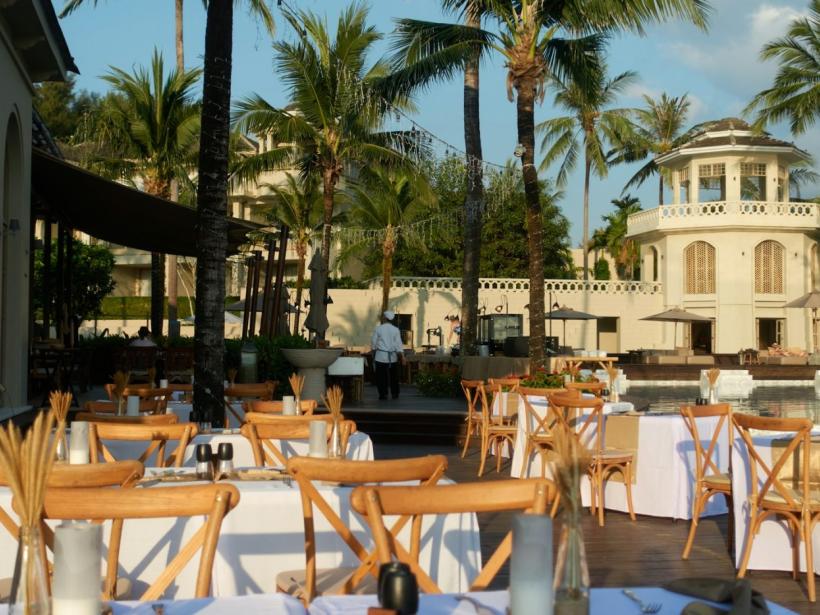
What does an all inclusive package normally cover?
An all inclusive rate bundles your room, meals, drinks and a basic set of activities into one upfront price. The exact list varies by hotel and country, but the core offering is consistent across most resorts.
A standard package typically includes these elements:
- Three buffet meals a day plus snacks at poolside grills or beach bars during set hours.
- Local alcoholic drinks, soft drinks, tea and coffee served by the glass at designated bars and restaurants.
- A daily program of light entertainment such as water aerobics, beach volleyball or evening shows.
- Non-motorized water sports like kayaking, stand-up paddleboarding and snorkeling gear.
- Access to the main pool, beach loungers, towels and basic fitness facilities.
Rooms come with standard amenities and minibars are either empty, stocked with water only or refilled with a limited selection at no charge. Everything happens on the hotel grounds, at times the property sets.
What is usually not included, even when it says all inclusive?
Several categories almost always carry an extra charge. Knowing these limits before you book prevents an unexpected bill at checkout.
Imported spirits and premium wines sit outside most standard packages. The open bar typically pours local brands of vodka, gin, rum and beer. If you order a named international label or a bottle from the wine list, the waiter will hand you a separate drinks menu with prices. Some resorts offer an upgraded wristband that includes top-shelf alcohol for a daily supplement.
À la carte restaurants, spa treatments and motorised water sports form the next tier of exclusions. The buffet and one or two snack bars are free, but the Italian grill or teppanyaki table often require a reservation and a per-person fee. A massage, facial or body wrap is never part of the base rate. Jet skis, parasailing and dive trips are run by third-party operators on the beach and are always paid separately. The same rule applies to off-site excursions booked through the hotel desk and to room service requested after 10 or 11 p.m.
- Imported spirits, cocktails made with premium brands and bottled wine from the cellar list.
- À la carte specialty restaurants that require advance booking and a cover charge.
- Spa treatments including massages, facials, body scrubs and salon services.
- Motorised water sports such as jet skiing, parasailing, banana boat rides and scuba diving.
- Off-site excursions sold by the hotel tour desk or independent vendors on the beach.
- Late-night room service, typically from 11 p.m. onward, and minibar restocking beyond basic soft drinks.
How do I read the fine print on drinks and dining?
Hotel websites often use broad terms like "unlimited drinks" that hide specific time windows. You need to check the bar schedule, usually listed under "food and beverage" or in the FAQ section. A common restriction is that the main pool bar closes by 6 p.m. and after that only the lobby bar serves complimentary drinks until midnight.
Branded alcohol is the most frequent extra charge. If the menu says "local spirits and beer included" but lists Johnnie Walker or Absolut with a price next to them, those are not part of the package. Some resorts in Turkey and Egypt include one or two international brands, but you should verify this in the detailed description before booking.
À la carte restaurants normally require reservations and come with a strict limit per stay. A typical rule allows one dinner per specialty restaurant for every three to five nights booked. The fine print will state whether the limit is total or per restaurant, and whether a supplement applies for lobster, steak or sushi items even inside the included meal.
The minibar is rarely free by default. When it is included, the hotel specifies "replenished daily" and lists exactly what you get: water, soft drinks and two local beers is the standard. If the description only says "minibar available" with no mention of cost, assume every item is chargeable and check the price list taped inside the fridge door.
How does all inclusive differ between Turkey, Egypt, Mexico and Europe?
All inclusive means different things depending on the region. A package in Antalya rarely mirrors one in Cancún or Sharm el Sheikh. The local drinking culture, labour costs and the hotel’s target nationality shape what you actually get.
Turkish resorts along the Mediterranean coast are the most generous. Many properties run 24-hour bars and include imported spirits such as Chivas Regal or Absolut in the standard package. À la carte dinners come without a surcharge, and minibars are restocked daily with beer, water and soft drinks.
Egyptian hotels in Hurghada and Sharm el Sheikh offer a broad package but draw a firm line on alcohol. Local beer, wine and spirits flow freely inside the main restaurant and pool bar. Imported brands are almost always excluded, and drinks after midnight typically move to a paid menu. Some properties limit all inclusive alcohol to just one or two bars on site.
Mexican all inclusive resorts, particularly in the Riviera Maya, promote premium local tequila and mezcal as part of the deal. Yet top-shelf whiskey and cognac remain locked behind an upgrade band. Poolside taco stands and cevicherias operate within the package, a rarity in other regions.
European clubs in Greece, Spain and Bulgaria offer a noticeably tighter package. Local beer and house wine are standard, but cocktails often use pre-mixed syrups. Branded spirits, fresh juices and premium coffee usually carry a surcharge. The all inclusive wristband covers three meals and a defined daytime drinks window, with snacks limited to set hours.
- Turkish resorts usually include 24-hour bars and imported alcohol brands in the base rate.
- Egyptian properties often restrict all inclusive alcohol to one main bar and exclude imports entirely.
- Mexican hotels highlight premium local tequila but charge extra for top-shelf international spirits.
- European clubs serve local beer and house wine as standard, with branded drinks on a paid upgrade list.
- Snack availability varies sharply: Mexico offers poolside kitchens, while Europe sticks to fixed snack times.
- Minibar restocking is common in Turkey and Mexico, rare in Egypt and almost always paid in Europe.
Is all inclusive worth it if I plan to leave the hotel a lot?
The calculation changes the moment you book a full-day snorkeling trip or a guided city tour. An all inclusive rate covers three meals, snacks and drinks for every day of your stay. When you are off site from 8 a.m. to 6 p.m., you will likely miss lunch and the afternoon bar service. You still pay for them in the package price, even though you are buying lunch at a local restaurant and bottled water at the ruins.
Do a quick comparison before you commit. Look at the per-person daily supplement the hotel charges for all inclusive over a bed-and-breakfast rate. Then estimate what you would actually spend on a typical excursion day: a light breakfast at the hotel, lunch and two drinks out, plus a coffee and a beer when you return. In destinations with cheap street food, the outside spend is often half the supplement.
- Count how many full days you will be away on excursions.
- Check if the hotel packs a lunch box for guests on all inclusive plans.
- Compare the all inclusive supplement to the cost of half board plus one outside meal.
- Ask whether the rate covers the a la carte restaurants you would actually use in the evening.
- Factor in airport transfer days when you arrive late or leave early and eat very little on site.
If your trip splits evenly between resort days and exploration days, half board with a drinks budget often works out cheaper. All inclusive comes out ahead when you treat the hotel as the whole holiday and use the bar and snack stations throughout the day. For a trip built around excursions, you pay for convenience you do not use.
What questions should I ask before booking an all inclusive hotel?
Front desk brochures and booking sites rarely list the restrictions that affect your daily routine. Contact the hotel directly or check recent guest reviews for answers to these specific questions before you commit.
- Which on-site restaurants and bars are covered by the package, and how far in advance do you need to book a table?
- What are the exact opening hours for the pool bar, the beach bar and the late-night lounge?
- Which spirit brands are poured as standard, and is there an upgrade list with a surcharge?
- Is the minibar restocked daily at no extra cost, or does it carry a separate price tag after the first fill?
- Which water sports, fitness classes and evening shows are free, and which carry a fee you will only see at check-out?
- Does the package cover room service after 10 p.m., or does a tray charge apply?
A five-minute email with these points often shows whether a hotel runs a tight all inclusive operation or uses the label loosely. Keep the written reply. It helps if a charge appears on your final bill that contradicts what you were told.
Frequently asked questions
Does all inclusive mean unlimited food all day?
Yes, within the hotel's schedule. Most properties serve three buffet meals, a snack bar between lunch and dinner, and sometimes a late-night bite. À la carte restaurants are often limited to a set number of visits per stay, so check that before you book.
Are all drinks really free at an all inclusive resort?
Local beer, wine and spirits are included, but imported brands, premium cocktails and bottled water outside the restaurant may cost extra. Some resorts charge for drinks after midnight or for anything from the in-room minibar.
Do I need to tip at an all inclusive hotel?
Tipping policies vary. Some resorts advertise a no-tipping policy, while others expect small tips for bar staff, housekeeping and porters. It is best to check the hotel's policy and carry small notes if you want to reward good service.
Can I use all inclusive benefits on the day I check out?
Most hotels cut off the all inclusive wristband at noon on departure day. A few allow you to keep eating and drinking until you leave, especially if you have a late flight. Ask at check-in so you know exactly when your benefits end.
Photo: SERGEI BEZZUBOV, Unsplash (Unsplash License)