
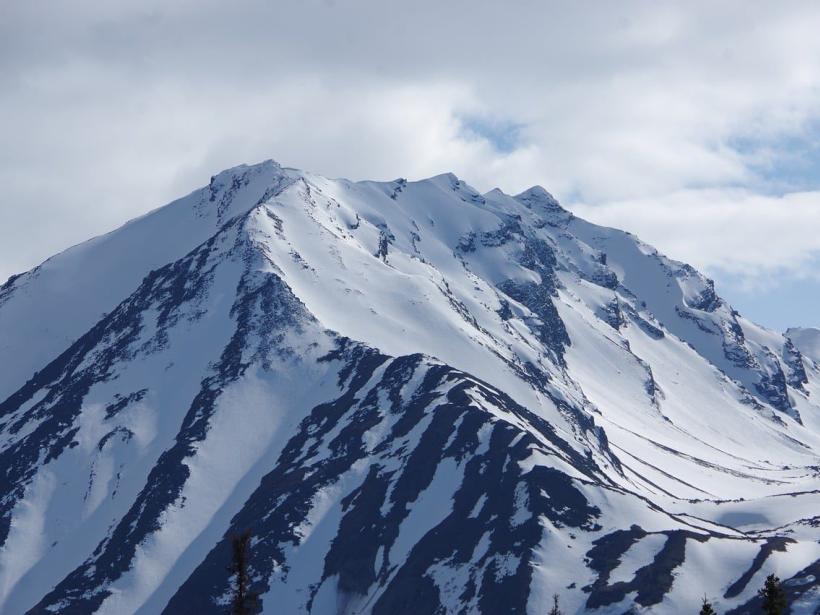
What is the best month to visit Alaska overall?
Mid-June through mid-August is the peak season that suits most first-time visitors. You get daytime temperatures in the 60s and 70s Fahrenheit, nearly 20 hours of daylight in Anchorage and even more further north. Denali National Park runs its full bus schedule, and the wildlife is active. July is the warmest month and the busiest, with hotel rates at their highest and tour groups at full capacity.
Late June gives you the summer solstice with the longest days of the year, while early August often brings the start of the fireweed bloom and fewer bugs. You share the trails and viewpoints with more people. For the classic Alaska trip with reliable weather and every lodge and excursion open, these ten weeks deliver.
When is the best time to see the northern lights in Alaska?
The northern lights season in Alaska runs from late August through mid-April, when the night sky is dark enough for the aurora to be visible. The peak viewing window falls between December and February, when Alaska experiences the longest nights and skies can remain dark for up to 18 hours a day. During these winter months, the viewing window stretches from about 9 p.m. to 3 a.m.
Fairbanks sits directly under the auroral oval, a ring-shaped zone where northern lights activity concentrates, making it the most reliable base in the state. Clear skies matter more than high solar activity. A night with moderate aurora but zero cloud cover will give you a better show than a night with intense geomagnetic storms hidden behind an overcast sky. Local tour operators track cloud cover forecasts and drive guests toward breaks in the weather, sometimes as far as the Brooks Range.
March is a good compromise. Nights remain dark enough, but daytime temperatures moderate and snow reflects the aurora's colors, adding depth to photographs. Late August and September bring the first dark nights of the season, often with milder weather, though viewing windows are shorter. Avoid the weeks around the summer solstice, when the midnight sun makes the aurora invisible across most of the state.
What is the best time for a cruise to Alaska?
The Alaska cruise season runs from May through September. July and August are the peak months, offering the warmest temperatures and longest daylight hours for shore excursions. You will find daytime highs in port towns like Juneau and Skagway often reach the mid-60s to low 70s Fahrenheit during these midsummer weeks.
May and September sit at the shoulders of the season and trade some weather certainty for distinct advantages. These months bring smaller crowds in ports, noticeably lower cabin fares, and a different kind of scenery. In May, the mountains still carry heavy snowcaps, and in September, the tundra turns deep shades of red and gold. The tradeoff is a higher chance of rain and cooler temperatures, often in the 40s and 50s.
Your choice depends on what you value. Pick July or August for the best chance of dry, warm days for glacier viewing and hiking. Choose May for crisp spring landscapes and the start of the wildlife season, or September for fall colors and the return of darker night skies, which bring the first opportunities to see the northern lights from the ship.
When can you see wildlife in Alaska?
Wildlife viewing in Alaska follows a seasonal rhythm, with different animals peaking at specific times. The summer months from May through September offer the greatest variety and most reliable sightings, as long daylight hours and abundant food sources draw animals out of cover. Timing your visit around a particular species improves your chances of a memorable encounter.
What you can expect to see, and when each animal is most active:
- Brown and black bears gather at salmon spawning streams from late June through August. July is the peak month, when rivers like Brooks Falls in Katmai National Park host dozens of bears fishing in a single afternoon.
- Moose live in the state year-round, but early summer from mid-May to late June offers the best viewing. Calving season brings cows and their newborn calves into open meadows and along roadsides, while the fresh green vegetation keeps them feeding in visible areas for hours.
- Humpback and orca whales arrive in coastal waters by May and stay through September. Sightings peak in June and July, especially in Kenai Fjords National Park, Prince William Sound, and the Inside Passage, where bubble-net feeding groups can surface right beside tour boats.
- Migratory birds flood into Alaska each May, with millions of shorebirds, waterfowl, and songbirds arriving at wetlands and coastal estuaries. The Copper River Delta near Cordova is a world-class destination during the spring shorebird festival, when huge flocks pause to feed before heading to arctic breeding grounds.
Caribou herds move across the tundra throughout the summer, with the largest aggregations visible from mid-June to early August along the Denali Park Road and on the North Slope. Bald eagles, often spotted year-round near open water, concentrate in large numbers along the Chilkat River in late fall, where a late salmon run keeps hundreds of birds feeding well into November.
How does the weather change month by month in Alaska?
Alaska's weather varies sharply by region, but most visitors stick to Southcentral Alaska and the Interior. In Southcentral, which includes Anchorage and the Kenai Peninsula, summer highs from June through August typically sit in the 60s °F, while winter days from December to February hover between 5 °F and 30 °F. The Interior around Fairbanks sees a wider swing, with summer highs reaching the 70s °F and winter lows routinely dropping to -15 °F or colder.
Daylight hours are the other dramatic shift. By late June in Anchorage you get about 19 hours of functional daylight, while Fairbanks experiences nearly 24 hours of sun. December flips that completely, with Anchorage seeing roughly 5.5 hours of pale daylight and Fairbanks just under 4 hours. Precipitation runs heaviest in late summer and early fall; August is often the wettest month in Southcentral, while the Interior stays drier year-round.
Coastal Southeast Alaska, including Juneau and Ketchikan, has a different climate with rain possible any day of the year. The Far North and Arctic regions are colder and drier than the Interior, with winter temperatures that can stay below -30 °F for weeks.
- May brings lengthening days and daytime highs in the 50s °F, though nights still dip near freezing.
- June and July offer the warmest, driest conditions with highs in the 60s and 70s °F and the most reliable weather for hiking.
- August remains mild but sees a noticeable uptick in rain, especially along the coast and in Denali.
- September cools quickly with highs dropping into the 40s and 50s °F and the first high-elevation snow arriving by mid-month.
- October through April is cold and snowy in the Interior, while Southcentral gets a mix of snow, ice and occasional thaws.
When is the cheapest time to visit Alaska?
The lowest prices for flights and lodging appear during the shoulder seasons, particularly in May and September. During these months, demand drops sharply from the peak summer rush, but many attractions are still open. You can find airfare that is 20 to 30 percent lower than July rates, and hotels often cut their nightly prices by a similar margin.
Winter, from October through April, offers another window for bargains, especially in the interior. The trade-off is that many lodges, tour operators and visitor centers in coastal and remote areas shut down for the season. For a budget-friendly trip focused on the northern lights, winter is a solid choice. But if you want to combine lower costs with access to Denali National Park or a cruise, stick to the shoulder months.
Book flights and rooms at least three months ahead to get the best deals. Tour companies often release early-bird discounts for the following summer right after the current season ends in September, so planning ahead pays off.
What are the major events and festivals by season?
Alaska’s event calendar is shaped by its dramatic seasons, from deep-winter celebrations to summer festivals that take full advantage of the midnight sun. The Fur Rendezvous in Anchorage, held in late February, started in 1935 as a winter sports tournament and now includes a world-championship sled dog race, a snow-sculpture competition, and a carnival. It marks the unofficial start of the spring festival season across the state.
March belongs to the Iditarod Trail Sled Dog Race, a 1,000-mile journey from Anchorage to Nome that commemorates the 1925 serum run. The ceremonial start in downtown Anchorage draws large crowds, and visitors can also attend the Iditarod banquet and musher meet-and-greets. Summer brings the Midnight Sun Festival in Fairbanks on the summer solstice, a 12-hour street fair with live music, local food vendors, and gold-panning demonstrations, all under daylight that lasts past midnight. In late August, the Alaska State Fair in Palmer runs through Labor Day and features giant-vegetable weigh-offs, rodeo events, and concerts by national touring acts.
- Fur Rendezvous (Anchorage, late February): a multi-day winter festival with sled dog races, snow sculptures, and a carnival.
- Iditarod Trail Sled Dog Race (Anchorage to Nome, early March): ceremonial start in Anchorage followed by the official restart in Willow the next day.
- Midnight Sun Festival (Fairbanks, June 21): a solstice street fair with live performances, crafts, and food stalls that runs from noon to midnight.
- Alaska State Fair (Palmer, late August to early September): agricultural exhibits, giant-vegetable contests, carnival rides, and headline concerts.
Frequently asked questions
Is Alaska worth visiting in winter?
Yes, if you want to see the northern lights, go dog sledding or experience a quiet, snowy landscape. Many tourist services close from October through April, but Fairbanks and Anchorage remain accessible with plenty of winter activities.
How many days do you need in Alaska?
A minimum of seven days lets you explore one region, such as the Kenai Peninsula or Denali National Park, without feeling rushed. For a trip combining a cruise with inland travel or visiting two distinct areas, plan on ten to fourteen days.
Do I need a passport to visit Alaska?
U.S. citizens do not need a passport to fly to Alaska from another state. If your cruise stops in Canada or you drive the Alaska Highway, you will need a passport or an enhanced driver's license under current entry rules.
What is the warmest month in Alaska?
July is typically the warmest month, with daytime highs in the Interior reaching the 70s and occasionally the 80s Fahrenheit. Coastal areas stay cooler, usually in the 60s, and rain is common even in summer.
Photo: tfrdic, Pixabay (Pixabay Content License)