
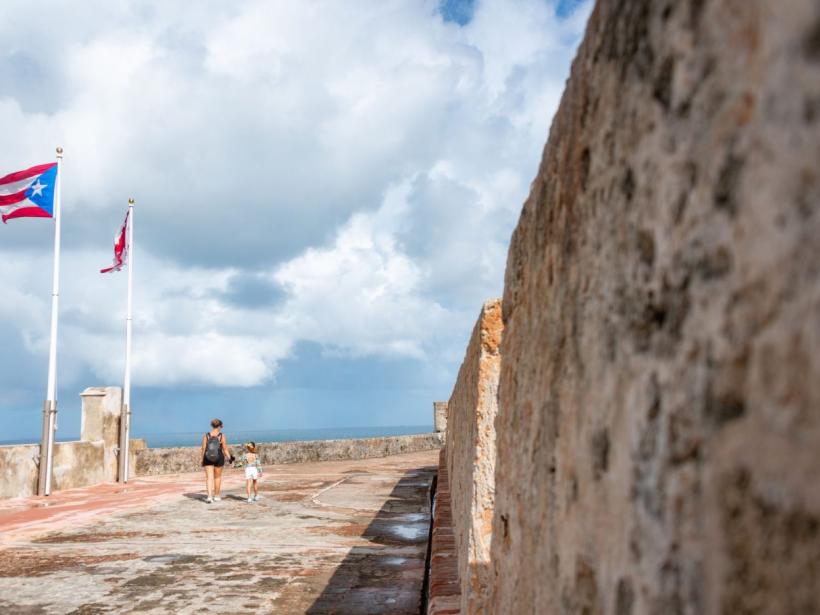
When is the best time to visit Puerto Rico overall?
Mid-December through mid-April delivers the most reliable weather, with lower humidity and daytime highs in the low 80s Fahrenheit. This is the dry season, when rainfall dips across the island and the trade winds keep evenings comfortable. The trade-off is higher demand: flights and hotels book up early, especially around Christmas, New Year's and the spring break weeks in March.
May through November brings warmer, more humid days and a higher chance of afternoon showers, but you get noticeably thinner crowds and better rates on accommodation. September and October sit at the peak of the Atlantic hurricane season, so a flexible booking policy matters if you travel in those months. Many visitors find late April and May offer the sweet spot: dry enough for the beach, warm ocean temperatures and prices that have already dropped from the winter peak.
It depends on what you value more. Pick the winter window if you want the most predictable conditions for a beach holiday and are willing to pay for it. Choose the summer or autumn months if you prefer a quieter experience, lower costs and can work around a passing shower or keep an eye on the forecast.
What is the weather like in Puerto Rico each month?
Puerto Rico has a tropical marine climate, so temperatures stay warm year-round with averages between 75°F and 85°F. The main variable is rainfall, which shifts from a drier winter to a wetter summer pattern.
January through March brings the most comfortable weather. Daytime highs hover in the low 80s°F with lower humidity and steady trade winds. Rainfall is moderate on the north coast, while the south coast stays drier. These months offer the most reliable beach days and clear skies for exploring Old San Juan.
April and May mark the transition. Temperatures climb into the mid-80s°F, and afternoon showers become more frequent, especially over the central mountains and El Yunque rainforest. The ocean warms up noticeably, and the risk of a brief downpour in San Juan increases, though mornings remain sunny.
June through August is the heart of the wet season. Highs reach the upper 80s°F with humidity above 80 percent. Expect daily rain showers, typically short but intense, in the afternoon. The rainforest is at its lushest, and waterfalls flow at full volume. Mosquito activity peaks during this period, so repellent is essential.
September and October are the rainiest months, with the highest chance of tropical storms. Afternoon thunderstorms can linger for hours, and the north and east coasts receive the heaviest rain. Beach water is bathtub-warm, but rough surf and runoff can reduce visibility for snorkeling.
November and December see a return to drier conditions. Rainfall tapers off, trade winds pick up, and temperatures settle back into the low 80s°F. The ocean remains warm enough for comfortable swimming, and the rainforest trails are less muddy than in the summer months.
How do the tourist seasons affect your trip?
Puerto Rico’s tourism patterns split the year into three distinct periods, each changing the feel of your visit. The high season runs from mid-December through April, when winter escapees from the mainland US and Canada fill the island. You will find peak hotel rates, packed restaurants in Old San Juan and Isla Verde, and the need to book rental cars and popular tours at least a month ahead. This is the liveliest time, with a fast, energetic pace in all the main resort areas.
The shoulder seasons, May to June and November to early December, offer a noticeable drop in visitor numbers. Hotel prices soften, you can walk into well-known restaurants without a long wait, and the beaches feel more relaxed. The rhythm of daily life slows down, and you can explore places like Rincón or Vieques with far fewer people around. Late summer, from July to October, is the low season. Availability is wide open, and you can find real bargains on flights and rooms. The trade-off is quieter streets and the chance that some smaller guesthouses or tour operators close for a few weeks.
Each season affects your daily plans differently.
- High season means crowded parking at Luquillo Beach and a 45-minute wait for dinner at popular spots without a reservation.
- Hotel pools and public plazas feel busy all day, and the nightlife in Condado stays loud and full until late.
- Shoulder season brings half-empty catamaran trips and the ability to change your itinerary on a whim without losing bookings.
- Low season gives you empty trails in El Yunque and the chance to have a whole stretch of sand to yourself on a weekday.
- Restaurant service is fastest in the shoulder months when staff are fresh and the dining rooms are not overwhelmed.
- In the low season some beachfront kiosks and family-run fondas may close for a week or two, so call ahead if you have a favorite.
What are the major festivals and events to plan around?
Puerto Rico’s calendar adds a festive layer that can shape your trip, bringing street closures in Old San Juan or sold-out hotels along the coast. Booking early is wise if your dates overlap with a major celebration, especially the winter holidays or the January street parties that draw huge local and visitor crowds.
These are the standout events that change the travel experience, from packed plazas to quieter weeks when you can explore at your own pace.
- San Sebastián Street Festival (mid-January). Old San Juan transforms into a four-day block party with live music, artisan stalls, and parades. Hotels in the capital fill up months ahead, and the festive energy is a draw even if you dislike crowds.
- Saborea Puerto Rico (early April). This beachfront food festival on Escambrón Beach spotlights the island’s chefs and rums. It is a relaxed, culinary weekend that makes San Juan busier than a typical spring week.
- Noche de San Juan (June 23). Locals gather on beaches after dark and walk backward into the sea at midnight for good luck. The tradition is informal and family-friendly, adding a local ritual to a beach evening without major price spikes.
- Holiday Season (late November to mid-January). The longest Christmas season in the U.S. runs from Thanksgiving through Three Kings Day on January 6. Town squares glow with lights, parrandas pop up in neighborhoods, and lodging rates climb island-wide.
- Casals Festival (February or March). This classical music event at the Centro de Bellas Artes in Santurce honors cellist Pablo Casals. It draws a cultured audience and is a quieter indoor option that rarely affects hotel availability outside the metro area.
When is the best time for beaches and swimming?
The water is most consistently calm and clear from April through June. During these months the Caribbean coast, from Cabo Rojo to Culebra, sees water temperatures around 80°F to 83°F and gentle surf that is ideal for wading and snorkeling. The Atlantic side, including Luquillo and Isla Verde, can still catch brief afternoon swells but is generally swimmable before the summer trade winds pick up.
Winter brings slightly cooler water, averaging 78°F in January and February, and stronger rip currents on the north shore. The Atlantic coast from December to March is better for experienced bodysurfers than casual swimmers. Sargassum seaweed is sporadic but most likely to appear on east-facing beaches from May through August. Flamenco Beach on Culebra and Playa Buyé on the west coast are reliable choices when sargassum drifts onto other shorelines.
When should you visit for hiking and outdoor adventures?
The safest and most comfortable hiking conditions in El Yunque National Forest and the central Cordillera Central are from December to April. Trails are firm, stream crossings are low, and the risk of sudden downpours that turn paths into slick mudslides drops sharply. You still get the lush, green canopy Puerto Rico is known for, but with far fewer interruptions from tropical showers.
May and June are a sweet spot for experienced hikers. The rainy season begins to ramp up. Waterfalls like La Mina and Juan Diego are at their strongest, and the forest feels intensely alive. You will encounter mud and higher humidity, but mornings often stay clear if you start early and finish by early afternoon. The same pattern holds again in November, when the heavy rains ease but the landscape is still saturated from the wet season.
July through October present real challenges. Afternoon thunderstorms are frequent and intense, river levels can rise dangerously fast, and some trails in El Yunque close on short notice for safety. You can still hike during this window, but it demands careful planning, an early start, and constant attention to weather forecasts. In the central mountains around towns like Jayuya and Adjuntas, unpaved access roads can wash out after heavy rain, making trailheads unreachable for days at a time.
- Pack quick-dry clothing and waterproof boots with aggressive tread regardless of the month.
- Start every hike at dawn to avoid afternoon storms, especially from May through November.
- Check the USDA Forest Service page for El Yunque trail closures before you leave your accommodation.
- Carry a physical map in the central mountains; cell service disappears in many valleys.
- Bring at least one liter of water per person for short trails, and double that for longer routes.
What about hurricane season in Puerto Rico?
Hurricane season in Puerto Rico runs from June 1 to November 30, with the highest risk of storm activity typically concentrated from mid-August through mid-October. A seasonal forecast does not mean constant rain. You will still see long stretches of sunny mornings and pleasant afternoons, especially in June and July. The practical effect for a visitor is a higher chance of afternoon showers, a lower price on hotels, and the need for a flexible mindset.
Buy travel insurance that covers weather-related cancellations if you book a trip between August and October. Check the policy wording for hurricane clauses before you pay. When a storm is forecast, local authorities issue clear instructions and hotels follow well-rehearsed safety procedures. The infrastructure recovers quickly after a storm passes, and San Juan’s airport rarely closes for more than a day or two.
You do not need to avoid the island during these months. Keep an eye on the National Hurricane Center updates, pack a lightweight rain jacket, and build an extra buffer day into your itinerary. Many residents treat the season as a normal part of life, not a reason to stay indoors.
Frequently asked questions
What is the cheapest month to fly to Puerto Rico?
September and October tend to have the lowest airfares and hotel rates. This is the peak of the hurricane season, so you trade cost savings for a higher chance of rain and the small possibility of a storm disrupting your plans. Flexible tickets and travel insurance become more valuable during these months.
Is Puerto Rico crowded in the summer?
Summer is less crowded than the winter high season but busier than the fall low season. June and July bring families on school break, especially around the Fourth of July holiday. By late August, the crowds thin out noticeably as the Atlantic hurricane season picks up.
Can you swim in Puerto Rico year-round?
Yes. Water temperatures stay between about 78°F and 84°F all year. The difference is in wave conditions. The north coast gets rougher surf in winter months, which surfers love but swimmers may find challenging. The south and west coasts are generally calmer year-round.
What is the best month for a destination wedding in Puerto Rico?
Late January through March offers the most reliable dry, sunny weather for an outdoor ceremony. April and May are also strong choices with slightly lower prices and a little more humidity. If you are planning for the holiday season in December, book venues and vendors well over a year in advance.
Photo: Diego F. Parra, Pexels (Pexels License)