
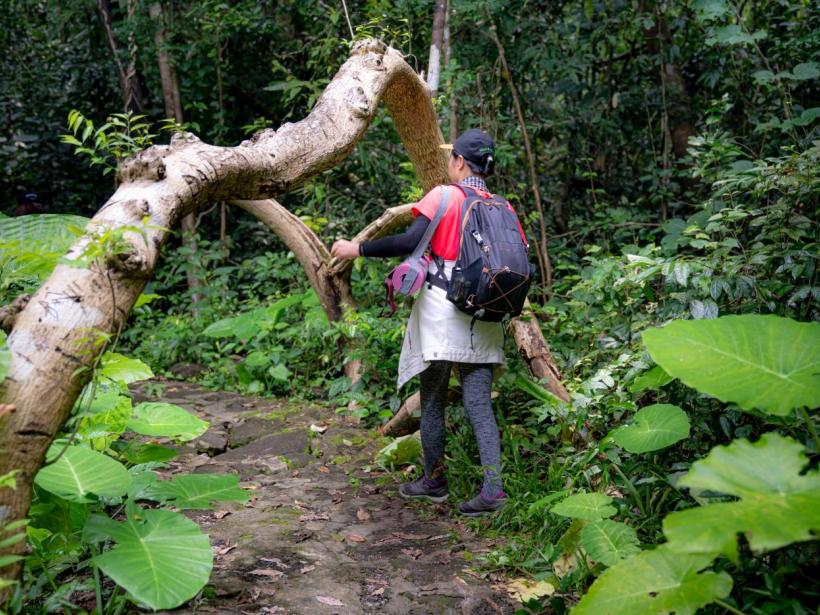
What Are Costa Rica's Seasons and Which One Is Better?
Costa Rica has two main seasons: the dry season from December to April and the rainy, or green, season from May to November. Neither season is better overall. The dry season delivers sunny days and easy road access, making it the peak time for tourists. The green season brings afternoon showers, lush landscapes, and significantly fewer crowds. Your choice depends on whether you want guaranteed sunshine or a quieter, greener trip.
The dry season is summer in the local calendar. Days are hot and skies are clear, especially on the Pacific coast. This is the best window for beach holidays and for visiting remote areas where unpaved roads can become muddy in the rain. It is also the busiest and most expensive time. Many people think the green season means constant rain. In reality, mornings are typically bright and sunny, with rain arriving for a few hours in the afternoon or evening. This pattern feeds the forests and stirs the wildlife.
A short dry spell called veranillo, or little summer, often appears in July and early August, briefly interrupting the green season with a week or two of sunny weather. If you want a balance of good weather and lower prices, aim for this window. The Caribbean coast operates on its own rhythm, with its driest months in September and October, when the rest of the country is at its wettest.
When Is the Cheapest Time to Travel to Costa Rica?
Flights and hotels are cheapest during the green season, from May through mid-November. You will find the deepest discounts in September and October, which are the rainiest months and see the fewest international visitors. Many beachfront resorts and eco-lodges drop their nightly rates by 20 to 40 percent compared to the dry season peak.
For a budget-friendly window with better weather, aim for May or early June. The heavy rains have not yet settled in, but the peak-season crowds have already gone home and airfares start to dip. November can also offer good value, especially in the first two weeks before the Thanksgiving travel rush begins.
Two short windows break this low-price pattern, so avoid them if cost is your main concern. The Christmas and New Year holiday period drives prices to their annual maximum, and the week leading up to Easter Sunday creates another sharp spike in demand. To get an average fare for these periods, you often need to book four to six months ahead.
Month-by-Month Breakdown of Weather and Crowds
January falls in the middle of the dry season on the Pacific coast, delivering sunny days and low humidity. This is peak tourist season, so beaches and national parks are busy. Book lodging well ahead. On the Caribbean side, you may still encounter brief but heavy showers.
February continues the dry, bright pattern, with similar high-season crowds. March and April bring the hottest temperatures of the year and the landscape begins to dry out, though visitor numbers start tapering off toward the end of April, especially around Easter week, which is a popular local holiday time.
May marks the official transition to the rainy season. Afternoon showers return to the Pacific slope, but mornings remain clear and the countryside turns intensely green. Crowds thin out noticeably. June and July offer a classic green-season balance of sun and rain, with a short dry spell called the veranillo often appearing in July. August is a prime month for wildlife, with sea turtles nesting on both coasts.
September and October are the rainiest months, particularly on the Pacific coast, and some rural roads can become difficult to pass. This is the lowest period for tourism, so you will find quiet beaches and the best lodging rates. November brings a transition back to drier weather, with the landscape still lush from the rains. December sees the dry season firmly reestablished by mid-month, and the holidays usher in a new wave of visitors.
- January through March: peak dry season, largest crowds, advance bookings essential.
- April and May: hot and increasingly humid, with rainy season arriving by mid-to-late May.
- June and July: alternating sun and afternoon rain, a short dry break often hits in July.
- August through October: heavy rains peak in September and October, but turtle nesting and low prices reward flexible travelers.
- November: a transitional month with fading rains and still-thin crowds.
- December: dry weather returns, holiday travelers fill popular spots from mid-month onward.
Which Coast Should You Visit in Each Season?
Costa Rica’s two coasts have opposite weather patterns, so you can often find sunshine just by switching coasts. The Caribbean coast stays relatively wet from May through November, while the Pacific coast is drenched during those same months. The pattern flips when the dry season arrives on the Pacific side from December to April, bringing clear skies to Guanacaste and the Nicoya Peninsula while the Caribbean gets its best weather in September and October.
The central mountains, including the Monteverde cloud forest and the Arenal area, sit in a middle zone. They never truly dry out, which is why the forests stay lush year-round. Mornings are often clear, with clouds and light rain building by early afternoon. If you are visiting during the Pacific rainy season and want a beach escape, head to Puerto Viejo or Cahuita on the Caribbean side, where September and October often deliver sunny days and calm seas.
For a trip that mixes both coasts, plan around the shoulder months. May and November are transition periods when neither coast is at its rainiest or its driest. You can surf the Pacific swells in the morning and still find a dry afternoon for hiking near Turrialba. Stick to the Pacific coast from December through April, then shift to the Caribbean from August through October for the best chance of blue skies.
What Is the Best Time for Specific Activities?
You can chase ideal conditions for different activities by shifting your location or timing. The Pacific coast delivers consistent surf from May through November, when southern swells light up breaks like Pavones and Santa Teresa. On the Caribbean side, December to March brings powerful waves to Puerto Viejo and Salsa Brava, while lighter swells from April to June suit improvers.
Wildlife encounters follow a calendar you can plan around. Humpback whales migrate from both hemispheres, giving the Pacific coast two distinct seasons: Northern Hemisphere whales arrive December through April, and Southern Hemisphere whales visit July through November. Turtle nesting peaks at Tortuguero on the Caribbean from July to October, with green turtles coming ashore at night. On the Osa Peninsula, olive ridley arribadas happen year-round but concentrate most heavily from June through December.
Hiking trails in inland parks are firmest and most accessible during the drier months. Corcovado and Manuel Antonio are easiest to tackle from December through April, when mud is minimal and river crossings are lower. Birders get the best of both worlds: resident species like toucans and macaws are active all year, but migratory birds arrive September through October, making the transitional months surprisingly rewarding for serious spotters.
- Surfing on the Pacific coast peaks May through November, while the Caribbean lights up December through March.
- Whale watching in the Pacific runs December through April and again July through November.
- Turtle nesting at Tortuguero is most active July through October, with night tours available.
- Hiking in Corcovado and Manuel Antonio is best December through April, when trails are dry and rivers low.
- Birding for migratory species peaks September through October, with resident birds visible year-round.
How Does the Rainy Season Actually Feel on the Ground?
The rainy season follows a predictable daily rhythm that is easier to handle than many first-time visitors expect. Mornings typically begin clear and sunny, with the heat building through the late morning. Clouds gather around midday, and a heavy but often brief downpour arrives in the early to mid-afternoon, usually lasting an hour or two before the sky clears again for the evening.
This pattern affects travel logistics in specific ways. Unpaved roads, particularly on the Nicoya Peninsula and in rural areas, can become muddy and slow-going, so you should budget extra driving time. Hiking trails in national parks turn slick, and some remote routes may close temporarily after extended heavy rain. Tours and boat departures generally continue as scheduled, with operators shifting start times earlier to take advantage of the morning window. Rivers swell, making white-water rafting more exciting, while waterfalls appear fuller and more dramatic than in the dry months.
What to Pack for Costa Rica by Season
Packing for Costa Rica means preparing for two distinct sets of conditions. The dry season calls for lightweight clothing and strong sun protection, while the green season demands reliable rain gear without adding unnecessary bulk to your luggage.
No matter when you visit, quick-dry fabrics are your best friend. Cotton stays wet for hours in high humidity, so choose synthetic shirts and hiking pants that can handle a sudden shower and be dry by the time you reach your next stop.
- Footwear: Sturdy hiking sandals with good tread work for most dry season trails. Bring closed-toe waterproof hiking shoes for the green season, when paths turn muddy and slippery. Flip-flops are fine for the beach but useless anywhere else.
- Rain gear: A lightweight poncho that covers your daypack is more practical than a heavy jacket in warm tropical downpours. Pack a compact travel umbrella for city walks in San José during the green season months.
- Sun protection: Reef-safe sunscreen is essential year-round, as the equatorial sun burns quickly even on cloudy days. A wide-brim hat and UV-blocking sunglasses protect your face and eyes during boat trips and beach hours.
- Clothing layers: A thin fleece or hoodie is necessary for cool mountain nights in Monteverde or the Cerro Chirripó area, where temperatures can drop below 50°F regardless of the season.
- Bug defense: Mosquitoes are more active from May through November. Pack a repellent with a high concentration of DEET or picaridin for the Caribbean lowlands and the Osa Peninsula.
- Dry bags: Sealable dry sacks keep your passport, phone, and camera safe during green season boat transfers and sudden rainforest showers that can soak a regular backpack in minutes.
Leave jeans and heavy cotton hoodies at home. They take too long to dry and add unnecessary weight to your bag in a country where you will likely be moving between several microclimates in a single day.
Frequently asked questions
Is Costa Rica crowded during the dry season?
Yes, the dry season from December through April sees the highest number of visitors, especially around Christmas, New Year's, and Easter week. Popular beaches and national parks can feel busy, and you should book accommodations and rental cars well ahead of time.
Can I still enjoy the beach during the green season?
Absolutely. Mornings are often sunny and clear, and the rain usually arrives in the afternoon or evening. The Pacific coast gets more rain, while the Caribbean side often stays drier during these months, so you can adjust your location for better beach weather.
What is the best month to see wildlife in Costa Rica?
There is no single best month because different animals are active at different times. Sea turtles nest on both coasts at various points in the year, humpback whales pass through from July to November and again from December to March, and many birds breed during the early green season when food is abundant.
Does the green season mean it rains all day?
No. A typical green-season day starts bright and clear, with clouds building by early afternoon and a heavy but short downpour in the late afternoon or evening. You can plan outdoor activities for the morning and still have a full day of adventure.
Photo: Quang Nguyen Vinh, Pexels (Pexels License)