
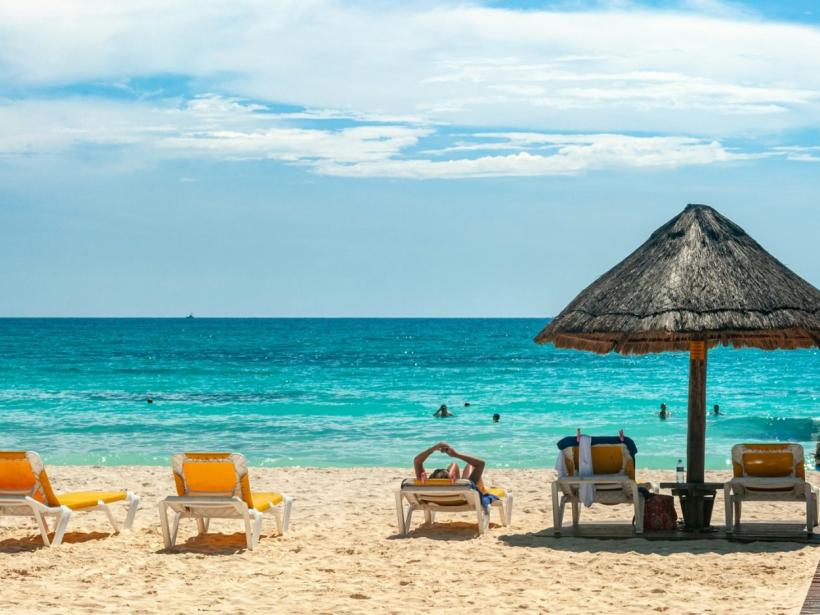
What is the best month to visit Cancun for good weather?
December through April brings the classic Cancun postcard weather with clear skies, low humidity and daytime highs around 80°F to 85°F. This stretch is the dry season, so rain rarely interrupts a beach day. The humidity stays low enough that walking around archaeological sites or downtown feels comfortable rather than stifling.
February and March strike the best balance for many travelers. The winter cold fronts that occasionally push down from the north in December and January have usually passed, and the water temperature climbs to a very pleasant 78°F to 80°F. You get long, sunny days with little chance of a shower and none of the heavy tropical air that builds by late spring.
When is Cancun's rainy season and does it ruin a trip?
Cancun's rainy season runs from May through October, with the heaviest rainfall typically arriving in September and October. Afternoon showers are the norm during these months, but they rarely last more than an hour or two before the sun returns. Mornings are often clear and sunny, so you can still plan a full day of beach time or excursions if you start early.
Rain does not have to ruin a trip, but it calls for a flexible mindset. Pack a light rain jacket or a compact umbrella and keep an eye on the daily forecast. An afternoon downpour is a good excuse to visit an indoor market, enjoy a long lunch, or explore the Museo Maya de Cancún. By late evening, the streets dry out quickly and the air feels fresher and cooler.
Which months have the worst seaweed in Cancun?
Sargassum seaweed typically appears along Cancun’s shoreline from April through August, with the heaviest accumulation most often recorded in June and July. This brown algae floats in from the Sargasso Sea and blankets the sand, turning the normally clear water a murky brown when it arrives in large quantities. The smell of decaying seaweed is another common complaint in June and July.
Conditions can change week to week because sargassum moves with ocean currents and winds. A beach that is clear on Monday may be covered by Wednesday. Many resorts and hotels in the Hotel Zone clean their beaches daily with heavy machinery, so the guest experience often depends on how aggressively a property manages the problem. The eastern-facing beaches, which include most of the Hotel Zone, usually get the worst of it, while the north-facing beaches near Isla Mujeres are naturally more protected.
Travelers who want to avoid the issue entirely should look at the daily seaweed forecasts published by the Quintana Roo Sargassum Monitoring Network, a citizen-run group that updates conditions beach by beach. Booking a hotel on the sheltered north side of the Hotel Zone or taking a day trip to Isla Mujeres or a cenote can also salvage a beach day when the sargassum is heavy.
When are the biggest crowds and highest hotel prices?
Cancun’s crowds and room rates move in lockstep, peaking from mid-December through mid-April. This stretch covers the winter holidays, the heart of spring break, and Easter week. Hotel prices during these months can be double or triple what you would pay in the low season, and the most popular beachfront resorts sell out weeks ahead. If you are planning a trip in this window, book flights and lodging at least three months in advance.
March is the single busiest month. Spring breakers from US colleges flood the Hotel Zone, and families arrive for Easter, creating a loud, packed atmosphere that is not for everyone. The week before and after Easter Sunday is especially tight, with premium rates and limited availability even at all-inclusive properties. A smaller but noticeable spike also hits in July and early August, when Mexican families travel during school vacations.
Pricing and availability come under the most pressure during these periods:
- Late December through the first week of January: Christmas and New Year crowds push rates to their annual maximum.
- March: spring break brings nonstop beach parties and the highest occupancy of the year.
- The week of Easter: a condensed window of family travel that sells out resorts fast.
- Thanksgiving week: a short, intense surge, mostly from US visitors.
- July and early August: domestic tourism peaks, raising demand at mid-range hotels.
Outside these blocks the Hotel Zone feels noticeably calmer. Late April, May, and early June still offer warm weather but with shorter lines at restaurants and more room to spread a towel on the sand.
When is hurricane season and how should I prepare?
Hurricane season in the Atlantic officially runs from June 1 through November 30. The months with the highest statistical risk for the Yucatán Peninsula are from mid-August through October, when sea temperatures peak. A direct hit on Cancun is rare, and the city has not experienced a major hurricane landfall since Wilma in 2005. Most summer and fall trips go ahead with nothing more than a brief afternoon shower.
Hotels and resorts in the Hotel Zone are built to withstand severe weather and have well-rehearsed safety procedures. If a storm approaches, staff move guests to designated interior shelters, secure outdoor furniture and distribute basic supplies. Flights may be delayed by a day or two, but the airport typically reopens quickly once the system passes. For most visitors, the practical disruption is a day spent indoors, not a ruined vacation.
Planning ahead removes most of the worry from the equation. Book with a credit card that includes trip interruption coverage, or take out a standalone travel insurance policy that covers weather-related delays. Check the National Hurricane Center website before departure and sign up for alerts from your airline and hotel. Pack a small power bank for your phone and a paperback or downloaded shows in case the Wi-Fi goes down for a few hours. If a named storm is forecast during your dates, contact your hotel directly: they will explain their specific protocol and refund or rebooking terms clearly.
What is the cheapest time to visit Cancun?
The lowest rates appear in the late spring and fall shoulder months, particularly May, early June, and mid-September through early November. Demand drops in these windows because they overlap with the start of the rainy season and the statistical peak of hurricane season, yet the weather remains warm enough for swimming and the ocean stays inviting.
You will find the deepest discounts on flights and all-inclusive resorts between mid-September and late October. Many hotels run promotions during this stretch to fill rooms between the summer vacation crowd and the winter holiday rush. A similar dip in prices happens in May and the first half of June, after spring break ends and before families arrive for summer break.
Keep in mind that the cheapest weeks often coincide with a slightly higher chance of afternoon showers and overcast skies. The trade-off is a quieter beach, shorter lines at restaurants, and a vacation budget that stretches noticeably further than a peak-season trip in December or March.
How does each month compare for a Cancun trip?
The right month depends on whether you prioritize sunny skies, smaller crowds, or a lively social scene. The period from late November through April delivers the most reliable weather, with low humidity and daytime temperatures in the high 70s to low 80s Fahrenheit, but you will share the beaches with peak-season tourists. May and June bring a noticeable drop in visitor numbers and hotel rates while the ocean stays warm and calm, making these weeks a sweet spot if you can tolerate building humidity.
July through September tests your heat tolerance and your luck with tropical weather systems. Afternoon storms become a near-daily routine, yet mornings often stay clear enough for diving and ruins exploration before the rain arrives. October signals the true transition out of the wet season, with thinning crowds and a landscape that looks vividly green after months of showers. Here is how the year breaks down in practical terms:
- December to February: Peak dry season. Comfortable temperatures, minimal rain, and the busiest beaches of the year. Book flights and rooms at least three months ahead.
- March and April: Spring break brings heavy party crowds to the Hotel Zone, especially in March. Weather stays dry and warm, with occasional spikes in sargassum seaweed starting in April.
- May and June: The shoulder season transition. Hotel prices drop sharply after Easter, and the water is ideal for swimming. Afternoon thunderstorms increase through June but rarely last more than an hour.
- July to September: Hurricane season peaks. Expect high humidity, frequent rain, and the highest chance of tropical storms. Seaweed can be heavy on east-facing beaches. Travel insurance is essential during this window.
- October and November: The rainy season winds down. October still sees some storm risk, but by mid-November the dry pattern returns. Crowds are thin, and the weather feels fresher as the month progresses.
Frequently asked questions
Is Cancun too hot in the summer?
Summer days reach the high 80s to low 90s Fahrenheit with humidity that makes it feel warmer. The ocean stays around 84°F, which is refreshing, and air-conditioned resorts make the heat manageable for most travelers.
Can you swim in Cancun in December and January?
Yes. The Caribbean water temperature rarely drops below 78°F even in the coolest months. Air temperatures hover in the low 80s during the day, so swimming and snorkeling remain comfortable.
Does Cancun shut down during hurricane season?
No. Resorts and tours operate normally throughout the summer and fall. Cancun has not taken a direct hit from a major hurricane since 2005, and modern forecasting gives plenty of warning if a storm approaches.
When is spring break in Cancun?
Spring break crowds arrive from late February through early April, with the busiest weeks typically falling in March when US colleges are on break. If you prefer a quieter trip, book for early February or late April instead.
Photo: David Vives, Unsplash (Unsplash License)