
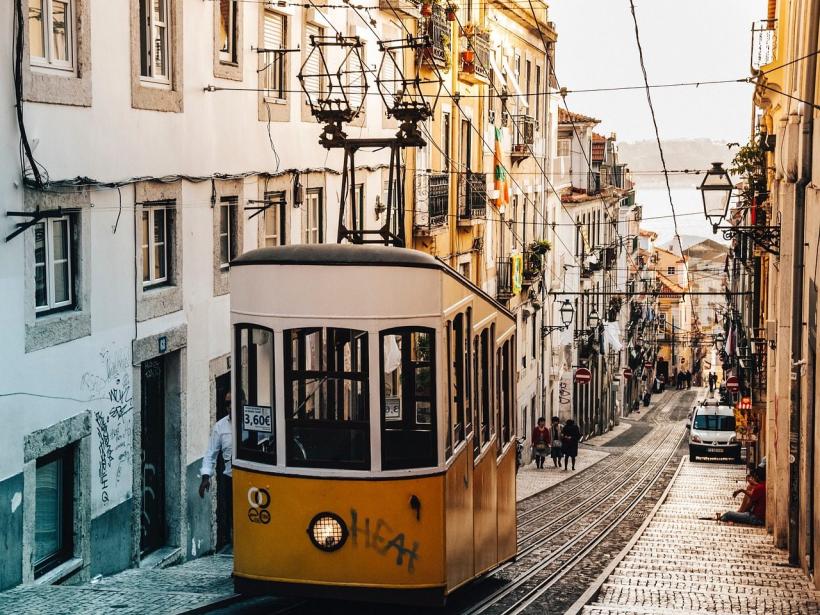
When is the best time to visit Portugal for good weather?
Portugal has two distinct travel seasons for good weather. For a classic beach vacation with long, sunny days and warm ocean water, plan your trip between June and September. For comfortable sightseeing in cities like Lisbon and Porto, late March through May and mid-September to late October are ideal.
The summer months bring reliably dry, hot conditions to the entire country. Average daytime highs along the coast stay in the upper 70s to low 80s Fahrenheit, while inland areas like the Alentejo region frequently climb into the 90s. Rain is rare, with most regions seeing little to no precipitation for weeks at a time. The shoulder seasons of spring and fall deliver mild temperatures perfect for walking, with highs typically in the 60s and 70s. Occasional rain showers, particularly in the north, are usually brief and followed by clear skies.
Winter weather from November through February remains mild by European standards but brings the most unpredictable conditions. The south stays drier, while Porto and the northern regions receive the bulk of their annual rainfall during these months. Temperatures rarely drop below the mid-50s along the coast, so a city break works if you pack a raincoat and accept shorter days.
What is the best month to visit Portugal to avoid crowds?
November and February are the quietest months for tourism across mainland Portugal, after the October half-term and before Carnival in late February. Queues are short at landmarks like Lisbon's Tower of Belém, and port lodges in Vila Nova de Gaia have plenty of empty tables. January sits in the middle of this low season but carries a slightly higher number of visitors around New Year's Day.
The contrast with summer is stark. In July, the Jerónimos Monastery in Lisbon can have lines stretching over an hour. On a November morning, you might share the cloisters with only a handful of other people. In Porto, the riverside walk of Cais da Ribeira feels like a local neighborhood again instead of a crowded thoroughfare. Restaurants in the Algarve's cliffside villages, such as Carvoeiro, operate at a relaxed pace, and owners often have time to chat.
Avoid the week between Christmas and New Year's Day if your goal is solitude. Portuguese families travel during this period, and hotels in Porto and the Algarve fill up quickly. For a quiet experience, pick the second half of January or the first three weeks of November. Many smaller guesthouses in the Alentejo close for annual holidays during these weeks, so check opening dates before you book.
How does the weather in Portugal change month by month?
Portugal's weather shifts noticeably from north to south and from the coast inland, but a general month-by-month pattern helps you pack and plan. The country has one of the warmest climates in Europe, though the Atlantic keeps summers mild and winters from getting harsh.
Here is what to expect and what to wear each month.
- January and February: The coolest, wettest months, especially in the north. Daytime highs in Porto hover around 57°F (14°C) with frequent rain, while the Algarve stays milder near 61°F (16°C) and drier. A waterproof jacket and layers are essential. This is a great time for city sightseeing without the heat.
- March and April: A transitional period with a mix of sunny days and showers. Temperatures climb to 64-68°F (18-20°C). Wildflowers bloom in the countryside, making it ideal for hiking. Pack a light sweater and a rain shell you can remove as the day warms up.
- May and June: Long, sunny days and comfortable warmth before the summer crowds. Expect 72-79°F (22-26°C) across most of the country. Rainfall drops off significantly. This is perfect weather for exploring cities on foot, outdoor dining and early beach trips. Pack light clothing and a sun hat.
- July and August: Peak heat and sunshine. Inland areas like the Alentejo can reach 95°F (35°C), while the Algarve coast stays a pleasant 82-86°F (28-30°C). The ocean breeze makes the heat bearable. Pack breathable fabrics, high-SPF sunscreen and a swimsuit, and plan sightseeing for the cooler mornings.
- September and October: A golden season. The ocean is at its warmest, and daytime temperatures settle back to a pleasant 73-79°F (23-26°C). Rain chances increase by late October, particularly in Porto. Bring a mix of summer clothes and a light jacket for the evenings.
- November and December: Cooler and wetter weather returns, with shorter days. Temperatures range from 50-63°F (10-17°C). The south remains the sunniest option. A warm coat and sturdy, water-resistant shoes are practical for enjoying Christmas markets and cozy indoor dining.
When are the biggest festivals and events in Portugal?
Portugal’s calendar is packed with celebrations that can shape your travel plans, often bringing higher prices and sold-out hotels alongside unforgettable street parties. Carnival fills the streets in February with parades and samba, most famously in Torres Vedras and the Algarve towns of Loulé and Ovar, where the revelry rivals Brazil’s in spirit. If you plan to join, secure your accommodation at least two months ahead.
June belongs to the Santos Populares, a city-wide festival in Lisbon and Porto honoring saints Anthony, John and Peter. Lisbon’s Alfama and Graça neighborhoods turn into open-air parties on the nights of June 12 and 13, with grilled sardines, cheap wine and music until dawn. Porto’s São João festival on the night of June 23 is a rowdier affair where locals roam the streets tapping strangers on the head with plastic hammers. Both cities are packed, so a central hotel booked by early May is essential.
Spring brings Holy Week processions, most dramatic in Braga and Óbidos, while the autumn harvest season means wine festivals along the Douro Valley. By December, Lisbon’s Praça do Comércio and smaller towns like Óbidos host Christmas markets with mulled wine and ice skating, though the atmosphere is low-key compared to central Europe. Expect a quieter, family-focused holiday rather than a big commercial spectacle.
Is Portugal a year-round destination for a beach vacation?
Portugal is not a year-round beach destination if your definition includes sunbathing and swimming in warm water. The ocean temperature along the Portuguese coast stays cool even in summer, rarely rising above 70°F, and drops to the high 50s in winter. The Algarve's southern coastline offers the mildest conditions from November through February, with air temperatures often reaching the low 60s and plenty of sunny days, but the water remains cold and the beach experience shifts to long coastal walks and lunches on sheltered terraces rather than laying out in a swimsuit.
Late spring and early autumn extend the beach season considerably. May and October bring daytime highs in the low to mid 70s across the Algarve, with sea temperatures around 63°F to 66°F. These months work well for sunbathing during the warmest hours, and many visitors find the water tolerable for a quick dip. The real beach season runs from June through September, when air temperatures climb into the 80s and the ocean reaches its yearly peak, though even in August the Atlantic never feels truly warm.
Winter beach days in the Algarve have their own appeal and draw a loyal crowd of walkers, surfers in wetsuits and people who simply want to read a book by the sea without the summer crowds. The central and northern coasts, from Lisbon upward, are windier and cooler in winter and rarely attract beachgoers outside the summer months. If swimming and sunbathing are central to your trip, plan your visit between June and September and head south. If a quiet coastal escape with fresh air and empty sands sounds appealing, the Algarve in winter delivers exactly that.
How do the best times differ for Lisbon, Porto and the Algarve?
Lisbon, Porto and the Algarve each have a distinct ideal visiting window because their climates are not the same. Porto in the north is cooler and rainier year-round, so its sweet spot is narrower and falls squarely in summer. The Algarve on the southern coast enjoys a Mediterranean climate with a long, warm season, giving you a much wider window for beach days. Lisbon sits in between, with a comfortable Atlantic climate that makes a spring or early autumn trip a pleasant alternative to the hotter summer months.
For Porto, plan your trip between June and mid-September. This is when you get the lowest chance of rain and the warmest temperatures, averaging in the low to mid-70s Fahrenheit. Lisbon shines from April to mid-June and again from September to early October. You will find sunny days with temperatures often in the 70s, perfect for exploring the city hills without the intense July and August heat. The Algarve's season stretches from May through October, when the sea is warm enough for swimming and you can count on clear skies and daytime highs in the 80s.
When should I book flights and accommodation for the best value?
July and August mark the peak of the high season, with accommodation rates in the Algarve and Lisbon often doubling compared to the winter low. Booking a flight from the US three to four months ahead for a summer trip rarely yields a bargain; airlines know the demand is fixed. If you must travel in midsummer, locking in your hotel six months out secures a room before the best-located, mid-priced guesthouses sell out.
The real savings sit in the shoulder months. May, early June, late September, and October deliver warm, sunny days and sea temperatures still comfortable for swimming, yet with noticeably lower price tags. A seaside apartment in the Algarve that costs a premium in August often drops by 30 to 40 percent by the first week of October. For these periods, a booking window of two to three months for flights and four to six weeks for hotels tends to hold the best balance between choice and cost.
Frequently asked questions
What is the rainy season in Portugal?
Most rain falls between November and March, with the north receiving significantly more rainfall than the Algarve. You can still enjoy a winter trip, but packing a waterproof jacket and planning indoor alternatives is wise.
Can you swim in Portugal in the winter?
Ocean temperatures drop to around 15 to 17 degrees Celsius from December through March, which most people find too cold for swimming. Heated hotel pools are common, and the Algarve's sheltered coves can feel pleasant for a quick dip on a sunny afternoon.
Is Portugal too crowded in August?
August is the busiest month, when many Europeans take their own holidays and popular beaches and city centers feel packed. If you travel in August, book restaurants and tickets well ahead and consider staying in smaller towns or visiting sights early in the morning.
When is the cheapest time to visit Portugal?
The lowest prices for flights and hotels are typically found from November through February, excluding the Christmas and New Year period. March and October also offer good value while delivering more comfortable weather for sightseeing.
Photo: PublicCo, Pixabay (Pixabay Content License)