
What is the best time to visit Portugal overall?
Spring (April to mid-June) and early autumn (mid-September to October) offer the best balance of warm, sunny days, manageable crowds and reasonable prices across the country. You avoid the intense heat and packed beaches of July and August, yet still enjoy temperatures that let you explore cities or sit outside for a long lunch without a jacket. The sea is warm enough for swimming from June onward, and the light in September is particularly beautiful for photography.
Summer remains the most reliable period for guaranteed sunshine, especially if you plan to spend most of your holiday on the Algarve coast. coastal towns fill up, accommodation costs rise sharply and popular sights like the Jerónimos Monastery in Lisbon have long queues. Winter, by contrast, is mild and quiet, but you will need a raincoat in the north and shorter daylight hours limit sightseeing time.
When is the best time for a beach holiday in Portugal?
The Algarve delivers reliable beach weather from June to September, with July and August offering the warmest sea. Water temperatures along the southern coast reach 20, 22°C by late summer, which is as warm as mainland Portugal gets. The Atlantic stays cool, so you will feel a refreshing chill when you first wade in. Air temperatures sit comfortably around 28, 30°C, and the region sees up to 12 hours of sunshine a day in midsummer. Book well ahead if you plan to visit in August, when Portuguese families take their own holidays and the coastline fills up.
The west coast, from Lisbon up to Porto, is a different story. Strong northerly winds pick up in summer, whipping up sand on exposed beaches and keeping the water noticeably cooler, rarely above 18°C. These conditions make spots like Peniche and Ericeira world-class surf destinations. If you want to lie on a towel and swim in calm water, stick to the sheltered coves of the Algarve. A beach day on the west coast often means wearing a windbreaker between dips and watching surfers from the safety of a café.
When should I visit Portugal for city trips and sightseeing?
Late spring and early autumn offer the most comfortable conditions for exploring Lisbon and Porto on foot. From April to mid-June and again from mid-September to late October, daytime temperatures typically settle between 20°C and 25°C. You can walk the seven hills of Lisbon or cross the Dom Luís I Bridge in Porto without the exhaustion that summer heat brings.
July and August push temperatures well above 30°C in both cities, and the narrow streets of Alfama or Ribeira trap the heat. You will queue for trams and landmarks under direct sun, which can make a day of sightseeing an endurance test. Winter, from November to March, brings Atlantic rain and shorter days. You can still enjoy museums and port lodges, but viewpoints often disappear behind low cloud and sudden downpours interrupt outdoor plans.
- April and May give you long, bright days and jacaranda blossoms in Lisbon's squares before the tourist rush begins.
- October keeps the sea warm enough to add a late-afternoon beach stop in Cascais after a morning at the Jerónimos Monastery.
- Summer mornings work for sightseeing if you finish by 1 p.m., then rest indoors through the peak heat.
- Winter rain is heaviest in Porto; pack a waterproof jacket and plan indoor alternatives like the Livraria Lello or a port cellar tour.
- Book tickets for the Torre de Belém and the Clérigos Tower online to skip lines that grow even in the shoulder months.
- Public transport and restaurants operate with fewer crowds in spring and autumn, so you experience the cities at their natural pace.
What is the cheapest time to travel to Portugal?
Travelling between November and March, outside the Christmas and New Year weeks, typically costs the least. You will find noticeably lower prices for flights and accommodation during these months, especially in January and February. You can expect a higher chance of rain, shorter daylight hours, and cooler temperatures compared to the busy summer season.
In coastal resort towns like those in the Algarve, some smaller restaurants, tourist shops and boat tour operators close completely for a few months. In larger cities like Lisbon and Porto, most attractions stay open and are far less crowded, so you get a more relaxed experience at a lower cost.
Prices spike sharply around the Carnival weekend in February and again during the Easter holidays if they fall in late March. Booking flights for midweek departures and avoiding these specific festival dates helps you find the lowest possible fares.
When is the best time for hiking and outdoor activities?
Spring and autumn offer the most comfortable conditions for hiking in Portugal. From March to May daytime temperatures sit between 18°C and 24°C along the coast and in the hills, and the countryside is full of wildflowers. In the Algarve and Alentejo the landscape stays green well into April, while the northern trails in Peneda-Gerês National Park clear of winter mud by late March.
Late September through early November is the second ideal window. The summer crowds have gone, the light softens and the vineyards of the Douro Valley turn gold and red. In the interior, autumn brings harvest landscapes and cool mornings that make longer routes in Serra da Estrela a pleasure rather than an endurance test.
Avoid summer hiking in the interior. From June to August temperatures in the Alentejo and the Douro often climb above 35°C, and shade is scarce on many trails. If you do walk in summer, start at dawn, carry at least two litres of water per person and stick to coastal routes where sea breezes keep the air cooler.
How do local festivals affect the best time to visit?
Portugal’s festival calendar can turn a quiet neighbourhood into a street party, either the highlight of your trip or a reason to pick different dates. The biggest urban celebrations, particularly the Santos Populares in June, fill guesthouses and restaurants weeks in advance. If you plan to visit during a major event, book your accommodation at least two months ahead and expect a lively, noisy atmosphere late into the night.
Smaller religious feasts and medieval fairs in towns like Óbidos or Tomar draw mostly local crowds and add a genuine cultural layer without overwhelming the destination. These are easier to work around and often bring extended market hours and special food stalls. Check a municipal calendar for exact dates, as many are tied to Easter or saints’ days that shift each year.
- Santo António in Lisbon (12, 13 June) sees the Alfama district transform with grilled sardines, music and processions, drawing huge crowds and making central hotels scarce.
- São João in Porto (23, 24 June) brings a city-wide street party where locals tap each other with plastic hammers, and the riverside becomes a dense mass of people until dawn.
- Carnival in February fills venues in Lisbon, the Algarve and the islands with parades and costume parties, pushing up domestic travel demand for a long weekend.
- Medieval fairs, such as the Mercado Medieval in Óbidos in July, create a themed market atmosphere with period costumes and crafts but cause day-trip traffic jams in the old town.
- Religious pilgrimages to Fátima in May and October bring thousands of walkers and coaches to the centre of the country, affecting road traffic and accommodation in the surrounding region.
- Summer music festivals like NOS Alive in July attract international visitors to the Lisbon coast, tightening hotel availability in the capital and nearby beach towns simultaneously.
Frequently asked questions
Is Portugal warm all year round?
The Algarve has mild winters with plenty of sunshine, but the north gets cool and rainy from November to February. Summer is reliably hot and dry across the country.
Can I swim in the ocean in Portugal during spring?
The Atlantic stays cool. In May the water temperature is still around 17°C to 18°C, which feels chilly for swimming. Most beachgoers find the water comfortable from late June.
Does it rain a lot in Portugal?
Rainfall varies sharply by region. Porto and the north get significant rain in winter, while the Algarve remains relatively dry. Summers are almost rain-free everywhere.
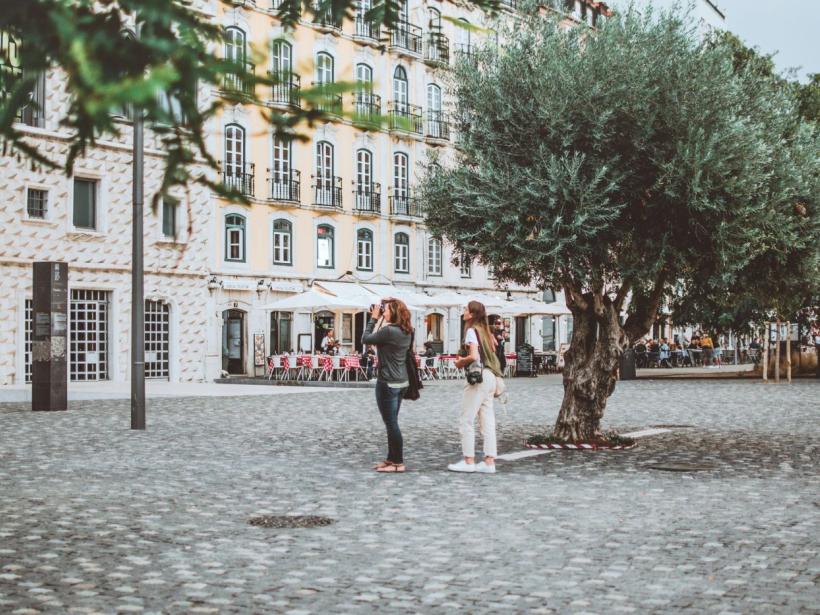
Photo: Lisa Fotios, Pexels (Pexels License)