
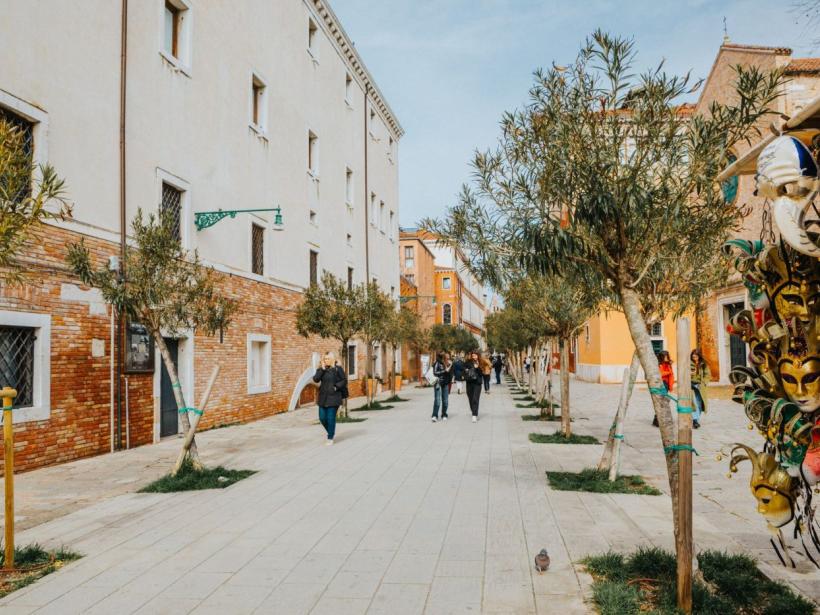
What is the best time to visit Italy overall?
Late spring (mid-April to early June) and early autumn (September to mid-October) offer the best balance of pleasant weather, manageable crowds and a full range of open sights. Daytime temperatures during these windows sit comfortably between 18°C and 27°C across most of the country, and you can explore ancient ruins or hilltop villages without the draining heat of midsummer.
In late spring, the countryside is green and wildflowers are still in bloom, and coastal areas are warm enough for a first swim by late May. Early autumn brings the grape and olive harvests, so rural regions like Tuscany and Umbria feel especially alive. The sea also remains inviting after a long summer of sunshine. Both periods avoid the peak crush of July and August, so queues at major attractions are noticeably shorter and you can book accommodation at reasonable rates more easily.
Italy month by month: a quick overview
The table below gives you a practical, at-a-glance comparison of weather, crowds and costs. The standout reason in the last column highlights an experience that defines that month, whether it is a local festival or a natural highlight.
| Month | Weather | Crowds | Costs | Standout reason to visit |
|---|---|---|---|---|
| January | Cold in the north, mild in the south; snow in the Alps | Lowest of the year | Lowest | Skiing in the Dolomites with empty slopes after the holiday rush |
| February | Similar to January, slowly warming in Sicily | Low, except during Carnival week | Low | Carnevale in Venice or Viareggio for masks and parades |
| March | Unpredictable; cool and rainy in the centre, spring starts in the south | Moderate, rising before Easter | Moderate | Fewer queues at Rome’s landmarks before the spring peak |
| April | Mild and often sunny; pleasant across most of the country | High around Easter, otherwise moderate | High during Easter week | Blooming gardens on Lake Como and at Villa d’Este in Tivoli |
| May | Warm, mostly dry and comfortable everywhere | Moderate, growing towards the end of the month | Moderate | Long daylight hours ideal for walking the Cinque Terre trails |
| June | Hot in the south, warm and sunny in the north | High, especially in coastal towns | High | Open-air opera in Verona’s Roman amphitheatre begins |
| July | Very hot and humid in cities and the south | Peak season, extremely busy | Highest | Late-night dining with warm evenings that stretch past midnight |
| August | Hottest month, often above 35°C inland | Peak season, plus Italian holidays | Highest | Ferragosto beach parties and local village festivals |
| September | Warm, golden light; cooling towards the end | High in the first half, tapering off | High, then moderate | Grape harvest festivals across Tuscany and Piedmont |
| October | Mild days, cooler nights; rain increases | Moderate, thinning out | Moderate | Truffle fairs in Alba and autumnal colours in the Langhe hills |
| November | Cool and wet in most regions, snow returns to the Alps | Low | Low | Museum visits in Florence with rooms nearly to yourself |
| December | Cold, crisp in the north; milder in the south | Low, until Christmas markets begin | Low, then high for the holidays | Christmas markets in Bolzano and nativity scenes in Naples |
When should you visit Italy for good weather and fewer crowds?
Late spring and early autumn offer the best balance between pleasant temperatures and manageable tourist numbers. April to mid-June and September to October deliver comfortably warm days, with daytime highs in Rome typically sitting between 20°C and 25°C. You avoid the intense heat of July and August, when temperatures in cities like Florence regularly climb above 30°C, and the peak-season crush at major sites.
April and May bring blooming landscapes and long, sunny spells, though you may still catch a few spring showers in the north. September offers sea temperatures warm enough for swimming along the Amalfi Coast and in Sicily. October cools down to sweater weather and draws fewer visitors to museums and galleries. Rainfall increases slightly in autumn compared to summer, but you get quieter piazzas and shorter queues at the Vatican and the Uffizi in return.
The winter months from November to March give you low tourist density in cities, but you face shorter daylight hours, cooler temperatures averaging 8°C to 12°C in central Italy, and a higher chance of rain. Many coastal resorts and island hotels close for the season, so the shoulder months remain the practical sweet spot for travellers who want open attractions, outdoor dining and a comfortable climate without the summer crowds.
Which months are best for specific experiences?
The ideal month depends entirely on what you want to do. Italy shifts its character with the seasons, and planning around a specific experience gives you a much sharper trip than aiming for a generic "good time to visit".
Here is a practical breakdown by interest:
- Beach holidays: The sea is warmest and all lidos are open from late June to early September. For fewer people and still-reliable sun, the second half of September works well along the Amalfi Coast and in Puglia.
- Skiing: The main season in the Dolomites and the Aosta Valley runs from December to early April. February often has the most consistent snow cover, while March brings longer, sunnier afternoons.
- Food festivals: Autumn is the prime season. October and November host truffle fairs in Alba and chestnut sagre in Tuscany, when villages celebrate the harvest with open-air stalls and local dishes.
- Hiking: Alpine trails are reliably clear from mid-June through September. The wildflower bloom in the Dolomites peaks in late June and early July. For lower-altitude walks in Tuscany or Umbria, May and October offer comfortable temperatures without the summer heat.
- Christmas markets: Markets in Trentino-Alto Adige, particularly in Bolzano and Merano, open from late November and run until 23 December. The atmosphere is strongest after dark, when the wooden stalls light up and the air carries the scent of mulled wine and roasted chestnuts.
What are the pros and cons of visiting Italy in summer?
July and August bring long, sun-drenched days and a calendar packed with outdoor events. You can expect daylight until well past 9 p.m., which gives you plenty of time for sightseeing after the midday heat eases. Coastal towns and islands feel fully alive, with beach clubs, open-air concerts and local sagre (food festivals) running every week. Cities like Rome and Florence put on special summer programmes, from opera in ancient baths to open-air cinema in piazzas.
The trade-off is intense heat, especially in inland cities where temperatures regularly climb above 35°C. Major attractions such as the Colosseum and the Vatican Museums draw long queues, and you will share narrow streets with huge crowds. Accommodation rates in popular destinations can be double what you would pay in spring or autumn. If you do travel in summer, book key museums with timed entry slots and plan indoor activities during the hottest part of the day, roughly from 1 p.m. to 4 p.m.
What is the cheapest time to visit Italy?
You will find the lowest travel costs during the quiet winter months of November, January and February, as long as you avoid the Carnival period in Venice and other cities. Flight prices and hotel rates drop sharply after the Christmas and New Year holidays, and demand stays low until the spring travel season begins in late March.
The overall cost difference comes mainly from accommodation, where you can often book a room for half the price you would pay in June or September. Airlines also cut the number of flights on some routes, but the remaining seats are typically much cheaper. Museums and attractions stay open with shorter queues, and you will not pay any peak-season supplements for guided tours or entry tickets.
- Flights are cheapest from mid-January to the end of February, outside the Valentine's Day weekend.
- Hotels and vacation rentals in cities like Rome and Florence lower their rates by 40, 60 percent compared to summer.
- Coastal towns in Sicily and Puglia offer deep discounts, though many beachfront businesses close for the season.
- Train tickets and local transport passes remain at standard off-peak prices all winter.
- Restaurants in tourist-heavy areas often introduce fixed-price lunch menus to attract local customers.
How does the weather vary between northern and southern Italy?
The climate split is sharpest in winter. Milan and the Po Valley often sit under fog and frost from December to February, with daytime highs around 6, 8 °C and occasional snow. Palermo and the Sicilian coast, by contrast, can reach 15 °C on a sunny January afternoon. Rain is more frequent in the north, while the south stays drier and brighter through the cold months.
In summer the roles reverse in terms of comfort. Milan and the lakes can feel stiflingly humid at 32 °C, but the real intensity builds in the south. Palermo, Catania and inland Puglia routinely push past 35 °C, with the scirocco wind adding a heavy, dusty heat that makes midday sightseeing a chore. Coastal breezes help on the Amalfi Coast, but the cities of the deep south are best explored in the morning and evening from June to August.
Frequently asked questions
Is there a month when Italy is not crowded?
November and January tend to be the quietest months, except in ski resorts and during the first week of January. You can walk through popular museums with almost no queues, though some coastal hotels and seasonal restaurants may be closed.
When does the beach season start and end in Italy?
Beach clubs typically open from late May and wind down by mid-September. The sea is warmest in July and August, but June and early September offer comfortable swimming with fewer people on the sand.
Does it rain a lot in Italy during autumn?
October and November bring more rain, especially in the north and along the western coast. Venice and Florence can see occasional flooding in late autumn, while southern regions like Puglia and Sicily often stay drier and milder.
Can you visit Italy in winter if you do not ski?
Yes. Cities such as Rome, Florence and Naples are much quieter, museums are easier to book and winter light makes sightseeing pleasant. You will need a warm coat for the evenings, but daytime temperatures often stay above 8°C in central and southern cities.
Photo: Helena Jankovičová Kováčová, Pexels (Pexels License)