
What does trip cancellation insurance mean
Trip cancellation insurance is a policy that reimburses your prepaid, non-refundable trip costs when you have to cancel before departure for a reason the policy specifically lists. It does not cover every possible change of plan. The insurer pays for deposits, flights, hotels and tours you already booked and cannot get back from the provider.
This coverage is built into most comprehensive travel insurance plans, though some insurers sell it as a standalone product. A standard policy covers up to the total trip cost you insured, and you must insure the full amount of your non-refundable expenses. If you understate the trip cost, the insurer may reduce or deny the claim.
Policies vary in the list of covered reasons, but nearly all include sudden illness or injury to you, a traveling companion or a close family member, severe weather that shuts down your destination, and jury duty or a subpoena. A last-minute work meeting or a change of heart will not trigger the coverage. You get paid only when the cancellation reason matches the policy wording exactly.
What reasons are covered by trip cancellation insurance
A standard trip cancellation policy reimburses you for prepaid, nonrefundable trip costs when you must cancel for a reason listed in the policy. These events must be unexpected, verifiable, and beyond your control. You cannot cancel because you changed your mind or found a cheaper fare. Insurers require documentation, such as a doctor’s note, death certificate, or employer letter, to validate the claim.
The most common covered reasons fall into a few clear categories. Medical emergencies and family emergencies dominate the claims data, but weather and legal obligations also appear frequently. A travel supplier going bankrupt is less common but can leave you stranded without coverage. The list below covers the standard events in most policies.
- Sudden illness, injury, or death of you, a traveling companion, or a close family member
- A natural disaster, named storm, or mandatory evacuation order at your destination that makes the trip uninhabitable
- Involuntary job loss or a layoff that occurs after you bought the policy, provided you had been employed full-time for a set period
- Jury duty or a court subpoena that you cannot postpone or reschedule
- The bankruptcy or complete operational shutdown of your airline, cruise line, or tour operator
- Your home or business is made uninhabitable by fire, flood, or a similar disaster right before departure
What is not covered by trip cancellation insurance
A standard policy does not pay out if you simply change your mind or find a cheaper flight. The covered reasons are strictly defined, and anything outside that list falls on you. Insurers also expect you to buy coverage before a problem becomes foreseeable.
Pre-existing medical conditions are the most common point of confusion. If you had symptoms, a diagnosis or a change in medication for a condition during the look-back period (typically 60 to 180 days before purchase), a cancellation related to that condition will be denied unless you bought a pre-existing condition waiver.
Other frequent exclusions:
- A known pregnancy when the policy was bought, or childbirth within a few weeks of the trip dates.
- Work conflicts such as a changed schedule, a new job, or a boss who revokes your leave.
- Fear of travel driven by news reports, a disease outbreak that has not yet closed a border, or general anxiety about a destination.
- Events that were already public knowledge: a named storm, an airline strike announced before purchase, or a country’s unstable political situation.
- Elective medical procedures you scheduled yourself and later decide to cancel.
- Financial defaults of a tour operator or airline, unless your policy specifically includes supplier default cover.
How does a trip cancellation claim work in practice
You notify the airline, hotel, and any other travel supplier about the cancellation before you contact the insurer. Most policies require you to cancel all bookings as soon as the covered event occurs. Ask each supplier for a cancellation invoice and a written confirmation of the penalties or refunds they apply. These documents are the core of your claim file.
Collect every piece of paperwork that proves the reason for the trip interruption. For a medical emergency, you need a doctor’s note on letterhead stating the diagnosis, the date treatment started, and a clear statement that travel was medically inadvisable. For a family death, you submit a death certificate and proof of your relationship to the deceased. Keep the original booking confirmations, payment receipts, and any correspondence with the travel suppliers.
Submit the claim through the insurer’s online portal or by email, attaching all the documents as a single organized package. For example, a traveler cancels a flight to Lisbon because a parent is hospitalized two days before departure. They cancel the ticket with the airline, receive a penalty invoice showing a $250 fee, and obtain a hospital letter dated the day of admission. The insurer reviews the file, confirms the parent qualifies as an immediate family member under the policy wording, and approves the reimbursement within two to three weeks.
What is Cancel for Any Reason coverage
Cancel for Any Reason (CFAR) is an optional upgrade to a standard travel insurance policy. It allows you to cancel your trip and receive a partial refund for reasons that are not listed in your base policy. You do not need to provide a specific covered reason like illness or a natural disaster; you can simply decide not to travel.
This flexibility has specific financial and timing rules. CFAR typically reimburses 50% to 75% of your non-refundable trip costs, not the full amount. You must cancel your trip no later than 48 hours before your scheduled departure. If you cancel on the day of travel, the benefit does not apply.
The purchase window is strict. You must usually add CFAR within 10 to 21 days of your initial trip deposit. You also need to insure the full non-refundable cost of your trip. An insurer will not let you add CFAR a week before departure because you saw a bad weather forecast.
When should you buy trip cancellation insurance
You get the widest protection when you buy a policy within 10 to 21 days of making your first trip payment. That initial deposit for a flight, cruise or tour starts the clock. Most insurers use this window to offer two key benefits: a waiver for pre-existing medical conditions and the option to add Cancel for Any Reason coverage. If you wait beyond that cutoff, both benefits typically disappear.
Buying early also covers you for the stretch of time when your money is most exposed. A sudden illness, a family emergency or a job loss can happen months before departure. Without a policy in place, you absorb the cancellation penalties yourself. The trip cost is non-refundable long before you pack a bag. The insurance clock starts with your payment, not your travel date.
Waiting until the last minute gives you a basic package. You can still insure against a flight delay or a lost suitcase, but the reasons you can cancel for a full refund shrink to a narrow list. Pre-existing condition exclusions stay in force, and CFAR is off the table. Buy within the early window for the full safety net, or accept a stripped-down policy if you purchase later.
Frequently asked questions
Does trip cancellation insurance cover me if I change my mind about going?
No, a standard policy does not cover a simple change of heart. You would need a Cancel for Any Reason upgrade, which still only pays out a percentage of your costs and requires you to cancel at least two days before departure.
Can I get my money back if a family member gets sick right before the trip?
Yes, the sudden illness or injury of an immediate family member is a standard covered reason. You will need a doctor's note confirming the diagnosis and stating that the condition prevented travel on those dates.
What if the airline cancels my flight, does trip cancellation insurance pay?
Trip cancellation covers you if you cancel the entire trip for a listed reason before departure. A single cancelled flight is usually handled by the airline's rebooking or refund obligations. Your insurance may cover missed connections or additional costs if the delay meets the policy's minimum time.
Is a pre-existing medical condition covered?
It can be, if you buy the policy within the insurer's look-back window, typically 10 to 21 days after your first trip deposit, and you are medically fit to travel on the purchase date. Without a pre-existing condition waiver, any cancellation tied to that condition will be excluded.
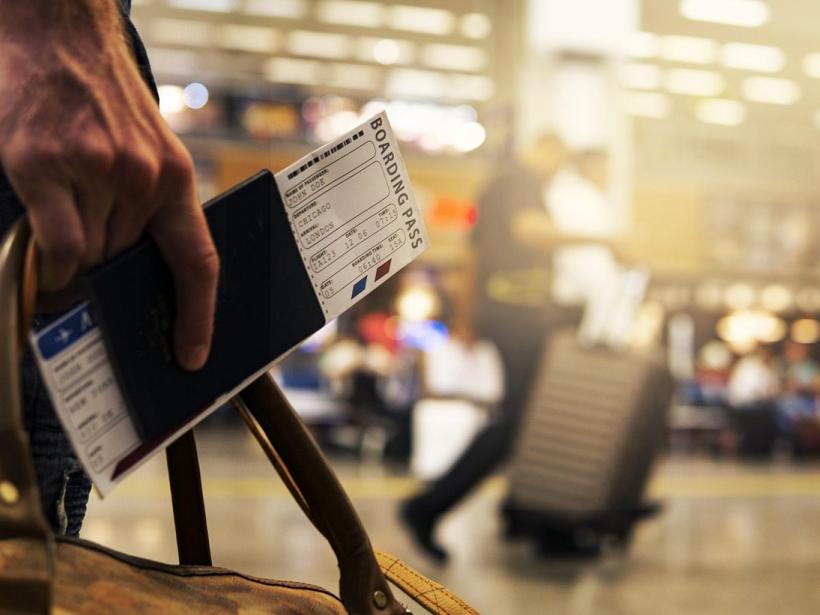
Photo: JoshuaWoroniecki, Pixabay (Pixabay Content License)