
When should you start planning?
Start planning six to nine months before you travel if you want a family trip to Italy in July or August. Those weeks fall in the Italian school holidays and are the busiest, and family rooms in Rome, Florence and Venice sell out first. Spring and autumn give you more choice at lower rates, and three to four months of preparation is enough for a trip in May or late September.
Book flights and accommodation together once your dates are fixed, since each choice limits the other. Check every passport for validity and apply for any visa well before booking non-refundable fares. Add travel insurance that covers children, and keep one or two buffer days in the itinerary for slow mornings or a cancelled train.
- Six to nine months ahead: agree dates, set a budget and book flights.
- Four to six months ahead: reserve family accommodation with a free cancellation option.
- Three months ahead: check passport validity, visas and insurance for every child.
- One month ahead: book museum slots and any train seats you need.
- One week ahead: confirm bookings and download tickets to your phone.
What does the step-by-step plan look like?
Start with dates, then cities, then bookings, in that order. Families who book flights before agreeing on a route often end up changing cities every other day.
Work through the sequence below over several weeks rather than one evening. Each step depends on the one before it, so a change late in the list usually costs more.
- Choose your dates around school holidays and check the weather for each region you are considering.
- Pick two or three bases and count the travel time between them before you commit.
- Book flights and intercity trains once the route is fixed, and reserve seats for children in advance.
- Reserve accommodation with a written confirmation of cots, extra beds and check-in times.
- Buy timed entry tickets for the museums and sites your children actually want to see.
- Arrange travel insurance that names every child on the policy and covers medical care abroad.
Keep copies of every booking in one folder on your phone and a printed set in your bag. Confirm the insurance policy covers the activities you plan, since standard policies often exclude some of them.
Which cities suit families best?
Rome, Florence, Venice and Naples work well as family bases, but each suits a different pace. Rome rewards slow mornings and short walks between sights. Florence is compact and easy on small legs, Venice moves at a gentle pace if you avoid the midday crush, and Naples gives quick access to Pompeii and the coast.
Allow three nights in Rome for the Colosseum, the Pantheon and a fountain stop in Piazza Navona. Give Florence two nights, Venice two nights without a car, and Naples two or three nights if Pompeii and the Amalfi Coast are on your list. Fewer bases and longer stays keep transfers down.
- Rome suits children who like ruins and open squares, but the metro is limited and buses get crowded.
- Florence is walkable end to end, though summer heat makes midday rests essential.
- Venice has no traffic and short distances, but bridges mean lifting a stroller many times a day.
- Naples is lively and close to Pompeii, yet traffic and noise can overwhelm younger children.
How do you choose family-friendly accommodation?
Choose the neighbourhood before comparing prices, because a cheap flat on a hill or across a river adds taxi rides and tired legs to every day. In Rome, Florence and Venice the historic centre is compact but noisy and short on lifts, while a quieter street 10-15 minutes from the main sights often costs less and sleeps better. Check the walk from the door to the nearest bus or metro stop on a map, not in the listing photos.
The room layout matters more than the star rating. A family of four usually needs either a quadruple room with two real beds or an apartment with a separate bedroom, since a sofa bed in the living room means one adult sleeps badly. Ask about a cot, a high chair and a bath rather than a shower, and confirm the floor and whether the building has a lift, because a stroller on a fourth floor without one ends the day early.
A kitchen pays off with small children: breakfast at home, a fridge for milk and fruit, and the option of an early dinner. Before you book, put these questions in writing and keep the reply:
- Is the lift reachable from the entrance without steps, and does it fit a stroller?
- How many separate beds are there, and what size is each one?
- Does the apartment have a stove, a fridge and a kettle?
- Is there a cot, a high chair and a bath, and is any of it charged extra?
- What is the cancellation deadline, and does it cover illness before departure?
How should a family get around Italy?
Trains work best for most families on the classic city route. High-speed Frecciarossa and Italo trains link Rome, Florence, Bologna, Venice and Naples in a few hours. Children under 4 travel free, and reduced fares usually apply up to age 15. Book seats together when you buy, because families with young children are not guaranteed to sit as a group on busy runs.
A rental car helps in rural Tuscany, Umbria, the Dolomites and Sicily, where villages and trailheads sit far from stations. It becomes a burden in Rome, Florence and Venice: limited traffic zones, scarce parking and steep garage fees make every errand a chore. Pick up the car on the day you leave the city, not on arrival.
- Validate regional train tickets before boarding to avoid fines.
- Use a child seat booked in advance with the rental, not rented on the spot.
- Keep city buses for short hops and walk the historic centres.
- Allow one extra hour on any transfer day with young children.
What should you pack for the kids?
Pack for the season you are travelling in, not for the Italy of holiday brochures. Late June in Rome and mid-October in Turin call for different bags, and a light rain shell earns its place on almost any trip.
Documents go in one pouch you keep on you. Each child needs a passport valid for the whole stay, and a printed copy of the passport and any insurance policy saves time at a pharmacy or a police station.
- Layers in breathable cotton, plus one warm jumper and a packable rain jacket per child.
- A small first-aid kit: plasters, a thermometer, rehydration sachets, child paracetamol and any prescription medicine in its original box.
- Sunscreen, a wide-brimmed hat and sunglasses for spring and summer.
- A refillable water bottle each, and snacks that survive a hot day.
- A light stroller with a rain cover for children under four, plus a carrier for stairs and cobbles.
- A tablet or cards for train rides, and a favourite small toy for evenings.
Pharmacies in Italian towns stock children's medicine, so you can top up rather than carry a full cabinet. Carry only the heavy items you cannot buy locally.
How do you keep days manageable with children?
Plan one main sight per day and treat everything else as optional. A museum or a long walk in the morning, a proper lunch, then a quiet stretch back at the apartment works better than three attractions back to back. Italian cities are compact, so you can often see the Duomo, a piazza and a gelateria on foot without a single bus ride.
Book timed entries for the Uffizi, the Vatican Museums, the Colosseum and the last supper in Milan. A printed or phone ticket with a fixed slot cuts an hour of standing in the sun. Children under a certain age usually enter free, though they still need a reserved slot. Eat lunch between 12:00 and 13:00, before the kitchens fill, and carry water bottles you can refill at the public fountains found in every city centre.
- Put the hardest sight first thing, when everyone is fresh and queues are short.
- Schedule a two-hour rest after lunch, ideally indoors during the July and August heat.
- Keep one full day free of bookings for every three days on the road.
- Carry snacks and a refillable bottle so a delayed meal does not derail the afternoon.
- Agree a meeting point in every crowded piazza before you split up.
Check opening days before you build the plan, since many state museums close on Mondays and some churches shut at midday. If you are travelling with a baby, time train journeys around naps and reserve seats rather than stand in the corridor.
Frequently asked questions
How many days do you need for a first family trip to Italy?
Most families do well with seven to ten days and two bases rather than a rushed tour of five cities. Fewer moves mean less packing and more time for the things children actually enjoy.
Is Italy easy to travel in with a stroller?
Yes, in most cities. Historic centres often have cobblestones and few lifts in older buildings, so check access before you book. Trains and major museums are generally manageable, and a lightweight folding stroller helps.
Do children need their own travel documents?
Yes. Every child needs a valid passport, and some countries require additional consent documents when a child travels with one parent. Check the current rules with the embassy well before booking.
When is the best time to visit Italy with kids?
Spring and early autumn usually bring milder weather and smaller crowds than midsummer. If you travel in July or August, plan sightseeing for the morning and keep afternoons free for rest or water.
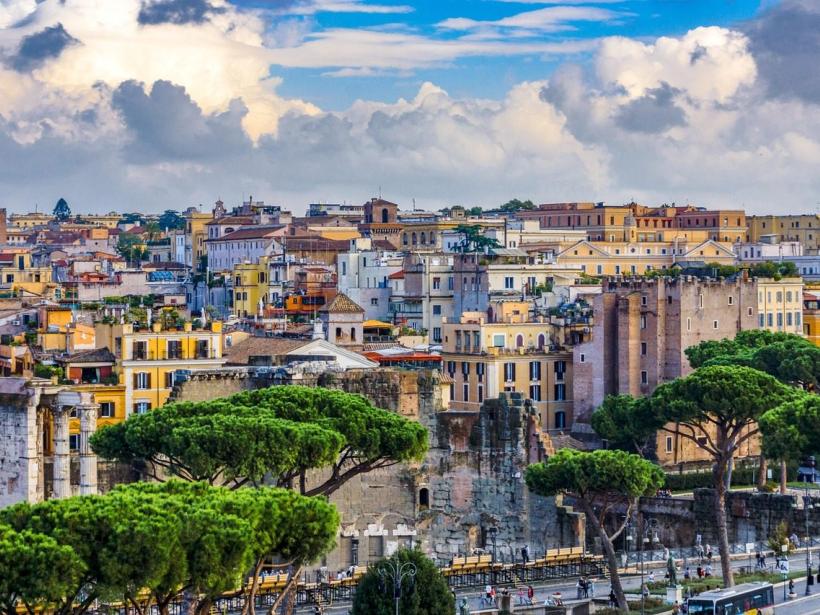
Photo: Kookay, Pixabay (Pixabay Content License)