
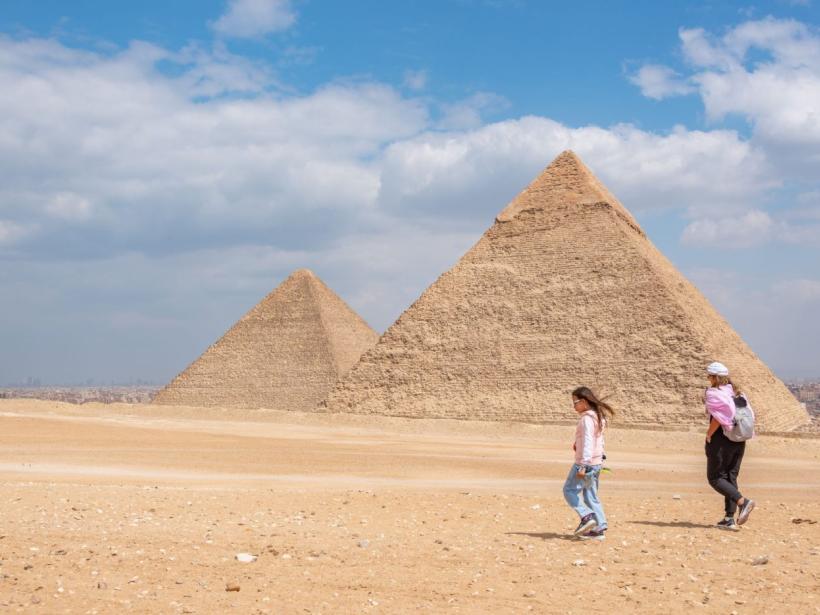
What do official travel advisories say about Egypt right now?
As of early 2026 the UK Foreign Office (FCDO) and the US State Department both draw a clear line between Egypt’s main tourist regions and its border areas. The FCDO advises against all travel to the governorate of North Sinai and within 20 km of the Egyptian-Libyan border, but does not warn against visiting the Red Sea resorts, Luxor, Aswan or Cairo. The US State Department places Egypt at Level 3 (Reconsider Travel) overall, yet its detailed advisory lists Sharm el-Sheikh, Hurghada, Marsa Alam and the Nile Valley tourist sites as areas where most visits happen without incident.
Government warnings are location-specific, not a blanket caution. The Western Desert, much of South Sinai away from the coastal resorts, and the Hala’ib Triangle carry higher risk ratings. For the places you are most likely to book (a resort stay, a Nile cruise or a Cairo-Giza itinerary) the FCDO does not advise against travel. The Australian Smartraveller advice, updated January 2026, follows the same logic: exercise a high degree of caution in Egypt overall, but the tourist centres are treated as lower-concern zones.
Before you book, check the current advisory on your own government’s website because the map can change. The FCDO page for Egypt is updated every few weeks and includes a colour-coded map that instantly shows which areas are off-limits. The US State Department page lists specific exceptions for Sharm el-Sheikh and the Red Sea coast. Bookmark those pages and revisit them two weeks before departure and again on the morning you fly. A flight or tour operator will rarely cancel a trip based on an advisory change alone, so the responsibility to verify is yours.
Which parts of Egypt are considered safe for tourists?
The Red Sea resorts, the Nile Valley between Luxor and Aswan, and central Cairo see consistent tourist traffic and have dedicated security infrastructure. The UK Foreign Office and the US State Department draw a clear line between these areas and the regions they advise against, and their assessments remained stable through early 2026.
These zones are reliable not just because of geography but because of visible security measures. Tourist police are stationed at hotels, archaeological sites and transport hubs, and checkpoints control the main roads leading into resort towns. In Sharm el-Sheikh and Hurghada, the perimeter of the tourist zone is monitored, and access from the desert side is restricted. Nile cruise boats and the corniche in Luxor and Aswan have a police presence that is noticeable without being intrusive.
- Red Sea coast. Sharm el-Sheikh, Hurghada, Marsa Alam and the smaller resorts around them operate as self-contained tourist zones. Airports in Sharm el-Sheikh and Hurghada handle direct international flights, and road access from the interior passes through security checkpoints.
- Luxor and the West Bank. The East Bank hotels, the corniche and the main temple complexes are well policed. Day trips to the Valley of the Kings and other West Bank sites run daily, and guides follow fixed routes with scheduled stops.
- Aswan and Abu Simbel. Aswan city, the islands and the High Dam area are treated as a single secure circuit. Escorted tourist buses on a set schedule have replaced the road convoy system for Abu Simbel, making the three-hour journey predictable and monitored.
- Central Cairo and Giza. The Egyptian Museum area, Zamalek, Downtown and the Giza Plateau have a heavy but discreet security footprint. Hotels in these districts employ private security in addition to the tourist police stationed outside, and the main museum and pyramid entrances use metal detectors and bag checks.
- Nile cruise route. The stretch of river between Luxor and Aswan, with stops at Edfu and Kom Ombo, is the most travelled tourist corridor in the country. Cruise boats dock at guarded jetties, and the riverside temples have controlled entry points.
Which areas do governments advise against visiting?
Official advisories from the UK Foreign Office and the US State Department consistently warn against travel to specific regions. These restrictions are not blanket bans on the whole country, but they are firm. Ignoring them invalidates most standard travel insurance policies.
As of the latest update in early 2026, the areas to avoid fall into three distinct categories. The reasoning almost always links to ongoing military operations, the presence of armed groups, or a high risk of kidnapping.
- Northern Sinai Peninsula. All travel is advised against due to persistent terrorist activity and Egyptian military counter-operations. The exception is the Taba border crossing area, which can be reached by air from Cairo without entering the rest of the governorate.
- The Egypt-Libya border region. Governments advise against all travel within 50 kilometres of the border, extending into the Western Desert. This porous zone is known for smuggling, armed militias, and the risk of cross-border violence.
- The Western Desert. Visiting the remote sand seas and oases far from the main coastal road requires a permit. The FCDO specifically warns against all but essential travel to large parts of the area south and west of the Siwa, Bahariya line due to the risk of banditry and lack of emergency services.
- South Sinai’s interior. While the resort strip from Sharm El Sheikh to Taba is considered safe, the mountainous interior of the peninsula is a restricted zone. Only travel on the main paved roads between resorts is permitted under the advisory, with off-road excursions explicitly warned against.
What are the most common safety concerns for tourists in Egypt?
Visitors most often encounter petty theft, persistent scams, and chaotic traffic, not violent crime. Pickpocketing and bag snatching can happen in crowded spots like Khan el-Khalili market in Cairo, so keep valuables out of sight and avoid carrying large sums of cash. Scammers often pose as friendly locals, unofficial guides, or touts at popular sites, offering a free tour or a special price before demanding payment.
Road safety is a real concern. Traffic in cities is dense and unpredictable, and pedestrian crossings are rare. Use licensed ride-hailing apps or a taxi booked through your hotel instead of hailing one on the street. For health precautions, stick to bottled water, avoid raw vegetables washed in tap water, and protect yourself from the sun. Pharmacies are well stocked in major cities, but bring any prescription medication you rely on.
- Ignore anyone who approaches you at the pyramids or museums claiming the site is closed or that your ticket is invalid.
- Agree on a taxi fare before getting in, or use a ride-hailing app where the price is fixed on screen.
- Carry a photocopy of your passport and keep the original in a hotel safe.
- Refuse offers of "free" gifts such as scarves or perfume that will quickly turn into a demand for money.
- Wear a cross-body bag with a zip and keep it in front of you in markets and on public transport.
- Drink only sealed bottled water and check the cap is intact before opening.
How can women and solo travellers stay safe in Egypt?
Dressing conservatively noticeably reduces the attention you receive. For women, this means clothing that covers shoulders, upper arms and knees, particularly in Cairo, Alexandria and rural areas. In Red Sea resorts like Hurghada and Sharm el Sheikh, beachwear is normal at the pool or beach but not in town or inside hotels away from those areas. Loose linen or cotton layers work well in the heat and help you blend in.
A confident, purposeful manner prevents many hassles. Walk as if you know exactly where you are going, even when you do not. Sunglasses help you avoid eye contact with persistent vendors or touts without engaging. If someone bothers you, a firm “la, shukran” (no, thank you) and continuing to walk is more effective than stopping to explain. Solo travellers attract more attention than couples or groups, regardless of gender. You can offset this by booking accommodation in well-reviewed, central neighbourhoods and using hotel-arranged drivers or ride-hailing apps like Uber instead of street taxis.
Practical steps that reduce risk:
- Choose a hotel or guesthouse with a 24-hour front desk, not a standalone apartment rental where you are the only guest.
- Use Uber, Careem or a driver arranged by your hotel for all trips after dark.
- Keep a scarf or pashmina in your day bag to cover your head or shoulders when entering a mosque or a conservative neighbourhood.
- Sit in the back seat of a taxi or ride-hail car, not the front.
- Share your live location with a friend back home and check in once a day.
- Trust your instinct: if a street, a cafe or a person’s attention feels wrong, leave immediately and walk toward a hotel lobby or a busy shop.
Does the security situation affect Nile cruises and guided tours?
Nile cruises between Luxor and Aswan operate normally and offer the most secure way to see Upper Egypt. Tour operators run these routes daily, and the river corridor benefits from a dedicated tourism police presence that monitors boats and landing sites. Most cruise vessels moor overnight at designated docks with controlled access, keeping you within a managed perimeter throughout the trip.
Guided tours to the main archaeological sites, Karnak, Valley of the Kings, Abu Simbel, follow well-established itineraries with licensed guides who maintain direct contact with local authorities. Overland travel between Luxor and Hurghada uses police-escorted convoys on set schedules, a routine practice for years that adds oversight without disrupting your day. Official advisories draw the line at independent travel outside resort zones; sticking with a reputable operator keeps you on routes that are monitored and cleared daily.
Before you book a package, ask the travel company three practical questions. First, do they hold membership in the Egyptian Travel Agents Association and can they confirm their operating licence number. Second, what is their protocol if a government advisory changes while you are in the country, a competent operator will have a written contingency plan. Third, ask for the name of the ground handler in Egypt, not just the sales office you are dealing with at home. A local handler with a long track record on the Nile is the single best indicator that the itinerary reflects current conditions on the ground.
Frequently asked questions
Is it safe to travel to Egypt right now?
Yes, for the main tourist regions. The UK Foreign Office and US State Department do not advise against travel to the Red Sea resorts, Luxor, Aswan, or central Cairo. The situation can change, so check the latest advisory on your government's website a few days before you leave.
Is Cairo safe for tourists?
Central Cairo and the historic districts are generally safe during the day and early evening. The main risks are traffic, pickpocketing in crowded areas, and occasional political demonstrations, which you should avoid. Stick to well-lit streets at night and use a reputable taxi app.
Are Sharm el-Sheikh and Hurghada safe?
Yes. The Red Sea resorts operate under tight security, and governments consider them low-risk. Airports screen arrivals carefully, and tourist police maintain a visible presence. The main advisory restrictions apply to the interior of the Sinai Peninsula, not the coastal resort zone.
Do I need a guide to stay safe in Egypt?
You do not need a guide everywhere, but one adds a layer of practical security. A licensed guide helps you avoid scams, navigate language barriers, and stay away from areas that are fine for locals but uncomfortable for visitors. For desert trips and excursions outside the resorts, a reputable guide is essential.
Photo: Diego F. Parra, Pexels (Pexels License)