
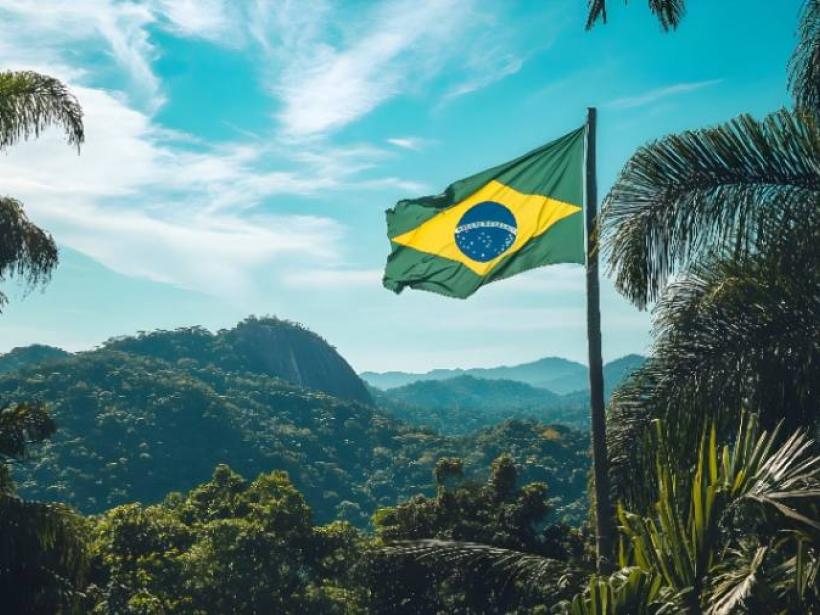

For most tourists in 2026, Brazil is safe to visit as long as you stay in the well-known areas of major cities and remain vigilant after dark. The U.S. State Department has placed the country at Level 2, "Exercise Increased Caution," the same level as France and the UK. That doesn't mean you should stay home. It's simply a nudge to plan sensibly.
How Safe Is Brazil, Really?
The honest answer depends on your location, not just the fact that you're "in Brazil." The country spans a continent, and risk varies greatly by city, neighborhood, and even street.
Nationwide, homicide numbers have been declining. Brazil's Fórum Brasileiro de Segurança Pública noted a 22% reduction in homicides since 2020. Specifically, Rio de Janeiro state saw 3,504 murders in 2024, a rate of 20.35 per 100,000 people, down 4.8% from the prior year and the lowest total since 2015. That's still high compared to places like New York City, which is around 5.8 per 100,000, but the violence is not evenly spread. Outlying neighborhoods and disputed favela areas bear most of it. Standard tourist routes rarely go near them.
What tourists actually face is theft, not violence. Phone snatching is the top complaint in Rio: 21,423 cases in 2024, up 38% from the previous year. Add pickpocketing, bag-slashing, and the occasional scam, and you have the real risk profile for a typical visit. A travel wallet built to deter that kind of theft is a small investment that prevents a lot of this before it happens.
The State Department's Level 4, "Do Not Travel" designation applies to specific spots, not the whole country: any area within 160 km of Brazil's land borders with Bolivia, Colombia, Guyana, French Guiana, Paraguay, Peru, Suriname, and Venezuela, plus favelas anywhere and certain outlying districts of Brasília at night. Outside those zones, the advisory drops to Level 2.
Is It Safe to Travel to Rio de Janeiro, Brazil?
Rio deserves its own answer, since it's the source of most of this question. The city has over 6.7 million residents, and safety varies sharply by neighborhood.
Zona Sul is where nearly every tourist ends up, and for good reason: Ipanema, Leblon, Copacabana, Botafogo, Flamengo, and Urca have heavy police presence, well-lit streets, and constant foot traffic. In the first quarter of 2026, Ipanema and Leblon recorded zero homicides. Urca, home to a Brazilian Army installation and the Sugarloaf cable car station, has some of the lowest violent crime numbers in the entire city.
Copacabana requires a bit more caution than its beachfront neighbors. Robberies there rose roughly 25% and thefts around 56% year over year, according to Rio Times and ISP-RJ data. The main strip along Avenida Atlântica stays manageable during the day, but the side streets running toward Leme get riskier once the sun goes down.
Santa Teresa, the hillside bohemian neighborhood, is generally fine on its main streets and squares but has quieter side lanes worth avoiding alone at night. Centro Histórico is busy and safe on weekdays between roughly 9am and 6pm, then empties out fast after office hours.
Is Brazil Safe for American Tourists?
Yes, and Americans aren't singled out for targeting the way that phrase sometimes implies. Opportunistic theft in Brazil goes after anyone who looks distracted, wealthy, or unfamiliar with the area – tourists from any country, really. What matters more than nationality is behavior: flashing a phone on a beach, wearing visible jewelry, wandering an unfamiliar street at 1am, walking distracted with headphones in.
Practical habits that cut real risk: use Uber or 99 instead of hailing cabs off the street, keep your phone in a front pocket or zipped bag rather than in hand, avoid ATMs on quiet streets, and skip favela visits unless you're with a licensed local guide. Enrolling in the State Department's STEP program before you go means the U.S. Embassy can reach you directly if something changes. Most of this overlaps with general travel tips that apply to any unfamiliar city, not just Brazil.
Is Brazil Friendly to the USA?
On a personal level, yes. Brazilians are, on the whole, warm toward American visitors, and English is common enough in hotels, tour operations, and restaurants in tourist zones that a language barrier rarely becomes a real problem.
Diplomatically, the relationship has had rockier stretches, and Brazil has its own domestic debates about how much tourism it wants and where. None of that changes how an individual traveler is treated day to day. The friction that does exist is more about housing costs, over-visited neighborhoods, and infrastructure strain than it is about any one nationality.
What Is the Safest Part of Brazil for Tourists?
Rio's Zona Sul beach neighborhoods, particularly Leblon, Ipanema, and Urca, top most safety rankings by a wide margin. Beyond Rio, a few other patterns hold up:
- São Paulo's Jardins and Vila Madalena districts – upscale, well-policed, and popular with business travelers.
- Florianópolis – a southern beach city with crime rates well below the national average.
- Foz do Iguaçu – built almost entirely around the waterfalls and organized tourism, with low crime relative to its visitor volume.
- Salvador's Barra and Pituba neighborhoods – the safer pockets of a city with more crime variance than most.
The through-line: beach-adjacent, tourism-oriented districts with steady police presence and foot traffic tend to be the safest bet, wherever in Brazil you land.
Is It Safe to Travel to Brazil During the World Cup?
If you're picturing the men's World Cup, it's already played out for this cycle. The 2026 tournament was hosted jointly by the United States, Mexico, and Canada, not Brazil. Brazil's next World Cup on home turf is the 2027 Women's World Cup.
Major tournaments do change the safety math while they're happening, wherever they're held: heavier police deployment in host cities, more scam attempts aimed at ticket holders, and price surges on hotels and transport. If you're planning around the 2027 Women's World Cup, expect the same pattern that shows up around Carnival and New Year's in Rio – tighter security in the main venues, but also more crowds and more pickpockets working those crowds.
FAQ
Yes. Brazil reinstated its e-Visa requirement for U.S. citizens, valid for 10 years with multiple entries, capped at 90 days per visit and 180 days total in any 12-month period. Apply well before departure, since airlines now check for a valid e-Visa code before issuing boarding passes.
Don't chase it. Report it to the nearest police post (dial 190) and to your hotel, and remotely lock or wipe the device through your phone's tracking app once you're somewhere safe. Most snatchings happen fast and are over before you'd have a real chance to react.
Generally yes in the same tourist zones covered above, though the calculus shifts after dark. Catcalling and unwanted attention are more common complaints than anything more serious, and most solo travelers stick to well-lit, populated areas at night, use rideshares rather than walking, and avoid drinks left unattended at bars, a precaution worth taking anywhere, not just Brazil.
It sits in the middle of the pack. Argentina and Chile generally register as calmer for tourists; Venezuela and parts of Colombia carry higher risk. Brazil's variation by city and neighborhood is unusually wide compared to its neighbors, which is why blanket statements about the whole country tend to miss the point. For a similar country-by-country breakdown outside South America, see how safe Europe is right now or, for a more specific case, whether Bosnia and Herzegovina is safe to visit.
Bottom Line
Brazil in 2026 is open, welcoming, and reasonably safe for tourists who do a little homework first. The real risk isn't violent crime in Ipanema or Leblon – it's a snatched phone on a crowded beach or an ATM withdrawal on the wrong street at the wrong hour. Pick your neighborhood carefully, use rideshares after dark, and the odds tilt heavily in your favor.