
What is the weather really like in Italy during winter?
Italy’s winter climate splits into three distinct zones, so your experience depends entirely on where you go. Northern cities like Milan and Turin get cold, with daytime highs around 6°C and frequent fog that can linger for days. The Alps and Dolomites see heavy snow from December through February, making this a prime ski season with reliable conditions above 1,500 meters.
Central Italy, including Rome, Florence, and Tuscany, is milder but unpredictable. Daytime temperatures hover between 8°C and 12°C, and you will get a mix of crisp sunny days and stretches of steady rain. Rome averages about 7 to 10 rainy days per month in winter, so a waterproof layer is essential even when the sky looks clear in the morning.
Southern Italy and the islands offer the mildest escape. In Naples and coastal Sicily, highs often reach 13°C to 16°C, and snow is virtually unknown at sea level. What to expect across the regions:
- Northern plains and cities stay cold and damp, with overnight frost and occasional light snow in Milan and Bologna.
- The Alpine resorts get deep, reliable snow from late December onward, with base depths often exceeding one meter by January.
- Rome and Florence see alternating periods of bright sunshine and grey, rainy days, with temperatures rarely dipping below freezing.
- Coastal Campania and Sicily remain the warmest option, with more dry days and afternoon highs suitable for a light jacket.
- Sardinia catches strong winds in winter, so coastal walks feel colder than the air temperature suggests.
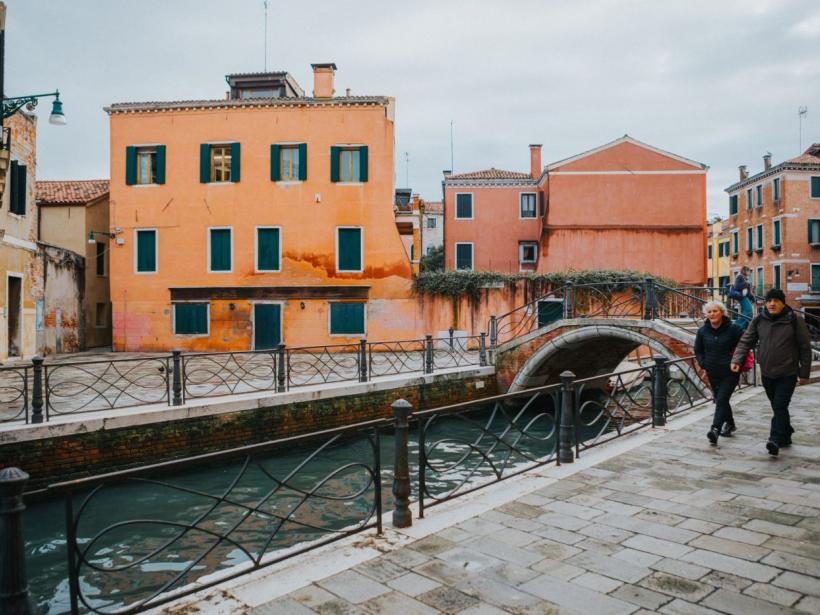
- Venice adds a layer of humidity that makes 5°C feel sharper, and acqua alta flooding is most likely between November and February.
Which parts of Italy are best for a winter trip?
Winter shifts the ideal destination from the coastline to cities with strong indoor appeal and mountains built for snow. Rome stays mild enough for long walks through the Forum and Vatican Museums without the crushing heat of July. Sicily and the far south offer the warmest days, often reaching the mid-50s Fahrenheit, so you can explore Greek ruins in Agrigento or Palermo’s markets comfortably.
The Dolomites deliver reliable snow for skiing and snowboarding from December through March, with resorts like Cortina d’Ampezzo and Val Gardena connecting hundreds of miles of groomed runs. Tuscany’s hill towns, including Siena and Montepulciano, lose the summer tour buses and reveal a quieter rhythm where you can linger over a glass of Brunello by a fireplace.
- Rome and Florence for uncrowded museums, mild daytime temperatures, and hearty seasonal food like ribollita and cacio e pepe.
- The Dolomites for alpine skiing, snowshoeing, and Christmas markets in towns such as Bolzano and Bressanone.
- Sicily for the warmest Italian winter climate, ancient archaeological sites, and fresh citrus in season.
- Venice for misty canals, a slower pace, and the pre-Lenten Carnevale celebrations if you visit in February.
- Naples and the Amalfi Coast for dramatic winter light, pizza in its birthplace, and easy access to Pompeii without the summer crowds.
- Tuscany’s Val d’Orcia for fog-draped mornings over rolling hills, thermal hot springs, and truffle season.
How do crowds and queues compare to summer?
The difference at major sites is immediate. At the Colosseum in July, a standard ticket line can take over two hours under the sun. In January or February, you often walk up and buy a ticket within ten minutes. The Uffizi Gallery in Florence follows a similar pattern. A summer visit means booking weeks ahead for a timed entry slot, while a winter morning usually lets you enter after a short wait, even without a reservation.
Fewer people reshape the experience of famous cities. Narrow streets in Venice that become single-file bottlenecks in August feel like normal walkways in December. You can stand in St. Mark's Square without being jostled, and a vaporetto ride rarely means being pressed against strangers. In Rome, the Trevi Fountain draws a constant but manageable ring of visitors, letting you reach the water's edge without a polite scrum.
Indoor attractions gain the most from the seasonal lull. The Vatican Museums see peak summer lines that snake around the walls for blocks. During a weekday in February, the entry hall is quiet enough to hear your own footsteps. The same is true across the country. The Last Supper viewing in Milan requires a strict reservation year-round, but winter slots are far easier to secure on short notice. You swap the buzz of peak season for the calm to study a painting or linger at a viewpoint.
Are flights and hotels cheaper in winter?
Airfare and accommodation prices drop noticeably from the second week of January through late February, once the Christmas and New Year rush ends. A mid-January flight from New York to Rome often costs half of what you would pay in July. Hotels in major cities cut their rates by 30 to 50 percent outside the holiday spike, so you can book a central four-star room for the price of a summer two-star.
Two exceptions push prices up again. The first is the ski season, which keeps rates high in the Dolomites and the Aosta Valley from December through March. The second is Carnival, particularly in Venice, where hotel prices can briefly match peak-summer levels in the week leading up to Shrove Tuesday. If you travel between those blocks, you get the best value.
- Book flights six to eight weeks ahead for the lowest midwinter fares.
- Check hotel rates for the exact dates of Venice Carnival before you lock in your trip.
- Look at city-break packages that bundle flights and hotels, which are heavily discounted in January and February.
- Compare ski-resort prices with nearby valley towns, where lodging is often cheaper and a short bus ride from the slopes.
- Use flexible-date search tools to spot the cheapest departure day within your travel window.
What holiday events and festivals happen in winter?
Italy's winter calendar is packed with events that reward a visit in the colder months. The season starts with Christmas markets in cities like Bolzano, Trento, and Merano. Wooden stalls sell artisan gifts, mulled wine, and roasted chestnuts against a backdrop of the Dolomites. These markets typically open in late November and run until December 23 or Christmas Eve.
New Year’s Eve brings fireworks and open-air concerts to main squares from Milan to Palermo. On January 6, the Epiphany holiday centers on La Befana, a friendly witch who delivers sweets to children. Rome holds a lively Befana market in Piazza Navona, while Venice stages a costumed regatta on the Grand Canal.
February belongs to Carnival, with Viareggio’s giant papier-mâché floats and Venice’s masked balls drawing the largest crowds. Food lovers can also seek out regional truffle fairs and olive oil festivals that run through the winter in Tuscany and Umbria.
- Christmas markets in South Tyrol (Bolzano, Merano, Bressanone) from late November through December 23.
- New Year’s Eve street parties and firework displays in Rome, Naples, and Turin.
- Epiphany celebrations on January 6, including Rome’s Befana market and Venice’s regatta.
- Carnival parades in Viareggio and masked events in Venice during February.
- Winter truffle fairs in San Miniato (Tuscany) and Norcia (Umbria) on select weekends.
What are the main downsides of a winter visit?
A winter trip to Italy comes with clear trade-offs. Daylight is limited, with the sun setting as early as 4:30 p.m. in December and January. That shortens your sightseeing window and means you will often explore in the dark after an early dinner.
Seasonal closures are another factor. Many family-run coastal restaurants and beach clubs on the Amalfi Coast, in Liguria and on the islands shut down from November through March. Ferry schedules to Capri, the Aeolian Islands and Sardinia are reduced, and some routes stop entirely in bad weather. A rainy day can also shut outdoor archaeological sites without warning.
- Short winter days limit outdoor sightseeing to about six hours of useful light.
- Coastal resorts and island hotels often close for the low season, reducing lodging choices.
- Ferry cancellations are common when the sea is rough, stranding you or forcing a last-minute plan change.
- Rain and fog can obscure mountain and lake views that are postcard-perfect in summer.
- Some agriturismi and rural restaurants close from January to March for family holidays.
What should you pack for Italy in winter?
Packing for an Italian winter means preparing for damp, changeable weather. Conditions can shift from a sunny 12°C afternoon in Rome to a snowy minus 5°C morning in the Dolomites. Bring lightweight, layerable clothing rather than a single bulky coat. A thermal base layer, a mid-layer fleece or wool sweater, and a waterproof outer shell will keep you comfortable whether you are walking through a chilly museum or sitting outside at a café under a heat lamp.
Waterproof footwear with a solid grip is the single most important item, as winter rain can leave cobblestone streets slick for days. Leather boots or treated walking shoes will serve you far better than fabric sneakers. Accessories matter too: a wool scarf, a hat that covers your ears, and thin gloves are essential for evenings, especially in northern cities where the Alpine wind can bite.
- Waterproof leather or Gore-Tex boots with a non-slip sole for wet cobblestones.
- Lightweight thermal base layers (top and bottom) that pack down small.
- A packable down jacket or insulated vest to wear under a waterproof shell.
- A compact, wind-resistant umbrella that can handle sudden downpours.
- Wool scarf, beanie, and touchscreen-compatible gloves for cold evenings.
- A crossbody bag with a zipper closure to keep your hands free and your valuables secure.
Frequently asked questions
Is Italy too cold to enjoy in winter?
No, but it depends on where you go. Southern cities like Naples and Palermo often see daytime highs around 55-60°F (13-16°C), while Milan and Venice can drop near freezing. Pack layers and you can explore comfortably almost anywhere.
Do restaurants and attractions close for the winter?
In major cities and inland towns, most museums, restaurants, and shops stay open year-round. Seasonal closures mainly affect beach clubs, some island hotels, and ferries to smaller islands, which may run on reduced schedules from November through March.
Is it worth visiting Italy in January specifically?
Yes, especially for city trips. January has the lowest crowds and hotel rates of the year after the Epiphany holiday on January 6. You will find shorter museum lines and a more local atmosphere, though you should expect cooler temperatures and occasional rain.
Can you ski in Italy during winter?
Yes. The Dolomites and the Alps offer reliable snow from December through March, with resorts like Cortina d'Ampezzo and Val Gardena drawing skiers from across Europe. Book accommodation early if your trip coincides with school holidays in February.
Photo: Helena Jankovičová Kováčová, Pexels (Pexels License)