
Fall camping looks easy until the first night at 38°F. The bag you pulled out of the garage turns out to be too thin, smells faintly of plastic, and picks up every drop of condensation from the tent wall. If you are shopping for something better, the word "natural" on a label tells you very little, so it helps to know what to actually check.
Most people start with the fill and the temperature number. Those matter, but the shell, the lining and any water-repellent finish decide how the bag feels after a damp night. If you want to skip synthetic shells and coatings altogether, non-toxic sleeping bags built from hemp fiber and linen are one option, and they come with trade-offs that are covered below.
What "non-toxic" means on a sleeping bag
There is no legal definition of the term on camping gear. It is a marketing word, so the useful move is to read the details behind it. A few things are worth checking before you buy:
- The fabric of the shell and the lining (cotton, linen, hemp, wool or polyester)
- Whether the shell is dyed or has a water-repellent coating
- A third-party textile label such as OEKO-TEX Standard 100 on the fabric
- What the fill is, stated plainly by the seller
- The care instructions, since harsh wash settings usually mean heavier finishing
If a listing does not answer these, send the seller a message. A maker who uses plain linen and hemp fiber will usually say so in one sentence.
Natural fills and shells compared
No material wins on every point. The table below shows the common options and what you give up with each one.
| Material | How it feels | Trade-off |
|---|---|---|
| Hemp fiber fill | Even and breathable | Heavier, packs larger |
| Wool | Warm, keeps some warmth when damp | Bulky, needs careful washing |
| Cotton | Soft against the skin | Slow to dry once wet |
| Down | Very light and lofty | Loses loft when damp |
| Polyester | Light, dries fast | Synthetic shell and finishes |
Where hemp and linen fit
Hemp fiber is porous, so it holds air and lets moisture vapor pass through instead of trapping it against the shell. Linen as an outer fabric breathes well and gets softer with every wash. Together they make a bag that feels dry and steady on a cool, humid night.
The cost is weight and packed size. A hemp and linen bag suits car camping, camper vans, cabins and fall weekends, not a multi-day backpacking route where every ounce counts. It also has no lab-tested temperature number unless the maker publishes one, so plan around the forecast low and add layers rather than trusting a guess.
Matching the bag to the night
A good bag is only one part of a warm night. The CDC notes that hypothermia can set in even above 40°F if a person gets chilled from rain, sweat or cold water, so staying dry matters as much as the insulation, as the CDC guidance on preventing hypothermia explains.
A simple routine covers most fall trips:
- Check the forecast low and pick a bag, or a bag plus blanket, for that number
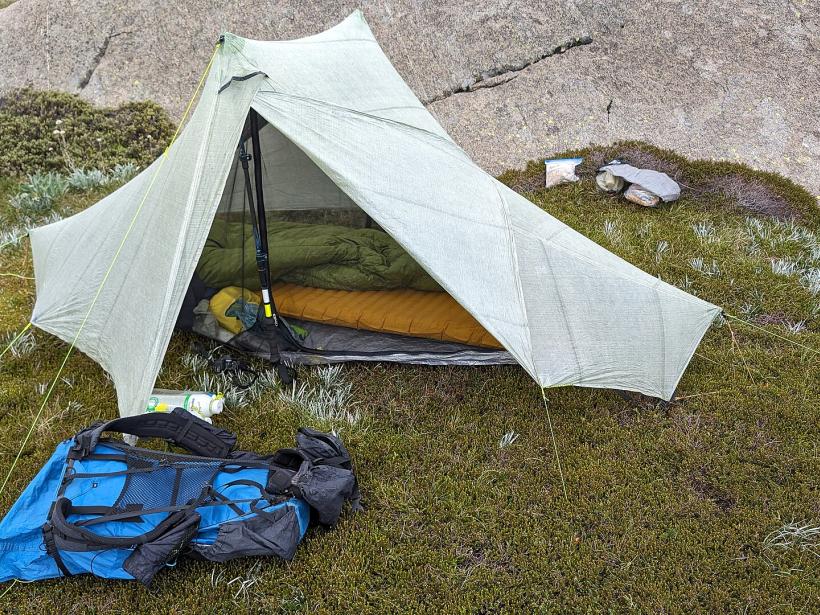
- Put an insulated sleeping pad under the bag, because the ground pulls heat away fastest
- Change into dry base layers and socks before you get in
- Keep the bag away from the tent wall so condensation does not soak the shell
- Unzip it and air it out in the morning, even for twenty minutes
If you camp at elevation, sleep gets harder for other reasons as well, and our notes on trouble sleeping at high altitude cover what helps.
Care and storage
Follow the care label first. For most natural-fiber bags that means a gentle cold wash or hand wash, then drying flat or on a line until the fill is fully dry. Store the bag loose in a cotton sack or hanging, never compressed for months, so the fill keeps its shape.
Frequently asked questions
Is a hemp sleeping bag warm enough for fall camping?
For cool fall nights with a forecast low you can plan around, yes, when you add a sleeping pad and dry layers. It is heavier than a technical bag and has no lab rating unless the maker publishes one, so treat the forecast low as your guide.
Does a non-toxic sleeping bag cost more?
Usually, because natural fill and fabric cost more to source and often mean handmade work. Compare price per season of use, since natural covers tend to last through many washes.
Can I wash a natural-fiber sleeping bag at home?
Most can be washed gently in cold water or by hand. Check the care label, avoid hot dryers and make sure the fill is completely dry before storing.
What should I put under a sleeping bag in fall?
An insulated sleeping pad. The ground pulls heat from your body faster than cold air does, so the pad often matters more than a thicker bag.
Photo: Steve Bittinger, CC BY 2.0, Wikimedia Commons